OB_034 — Manual collage with successive rescanning
Status
Status:: Under review
1. Operation data
Internal number: OB_034
Operational regime: Direct Material Intervention
Source image: Input 005.jpeg.webp — a frontal portrait printed on paper.
Operational description:
Parts of a printed portrait are cut out and pasted onto another print of the same image. The collage is scanned; more cutouts can then be added and the collage scanned again. A scan of the collage can also be printed, cut up, and pasted back onto the composition. Each return from the scanner thus turns a material arrangement of paper into a new surface available for cutting and layering.
The choice and placement of each fragment are manual decisions. They are not determined by an algorithm that cuts, pastes, and moves objects: they are made by looking at the relationships of light, contrast, form, and position emerging in the image.
2. Tools and procedure
Tools / medium:
- Paper prints of the portrait and, when reused, of its scans.
- A cutting tool and adhesive for assembling the fragments.
- A scanner to record the collage states and feed them back into the process.
Technical procedure:
- Print the source portrait.
- Cut fragments from the print and paste them onto another copy, deciding where to place them according to the visual relationships they produce.
- Scan the altered state.
- Continue adding fragments and scanning successive states.
- When useful, print a scan of the collage and use parts of this new print as material for another layer.
The supplied folder contains nine scans dated between 2 and 5 October 2026. The process remains open: new states may be added. The filenames establish an order for the records, but do not in themselves document which print each cutout came from or how many times a scan was reprinted.
Script: Not applicable. The operation is manual; the scanner records material and returns it to the process.
Record for each step: the original filename and the date inferred from that filename are recorded in the EXIF metadata (ImageDescription) of each catalogued copy. Its pixels are identical to those of the desktop file.
3. Variables
Controlled variables:
- Which parts of the portrait or an earlier scan are cut out.
- Scale, orientation, position, and overlap of the cutouts.
- The relationships of light and contrast considered when deciding where to paste them.
- When an image is scanned and used again as a print.
Uncontrolled / accidental variables:
- Edges, slight misalignments, and shadows produced by overlapping paper.
- Tonal and chromatic changes introduced by printing and scanning.
- The exact source of each fragment in the nine current records: this has not been documented.
4. Visual sequence
The nine files are numbered according to the date and time in their original filenames, not as a proven causal chain. The second is a scan of the portrait without cutouts, recorded after the first collage in this folder; it retains its chronological position. The shared digital portrait is shown separately as the source image.
Source image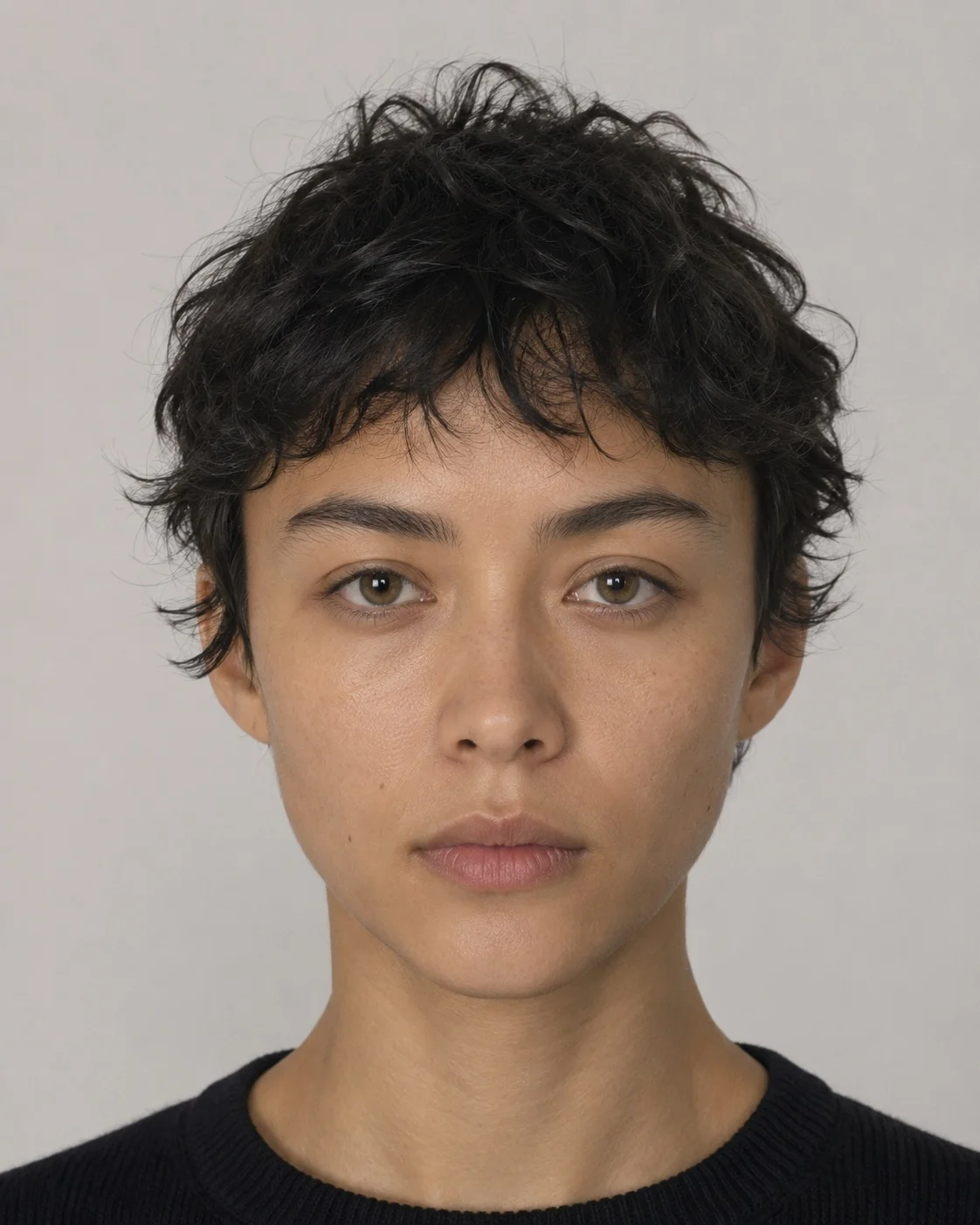 | Step 01 — 2 Oct., 21:44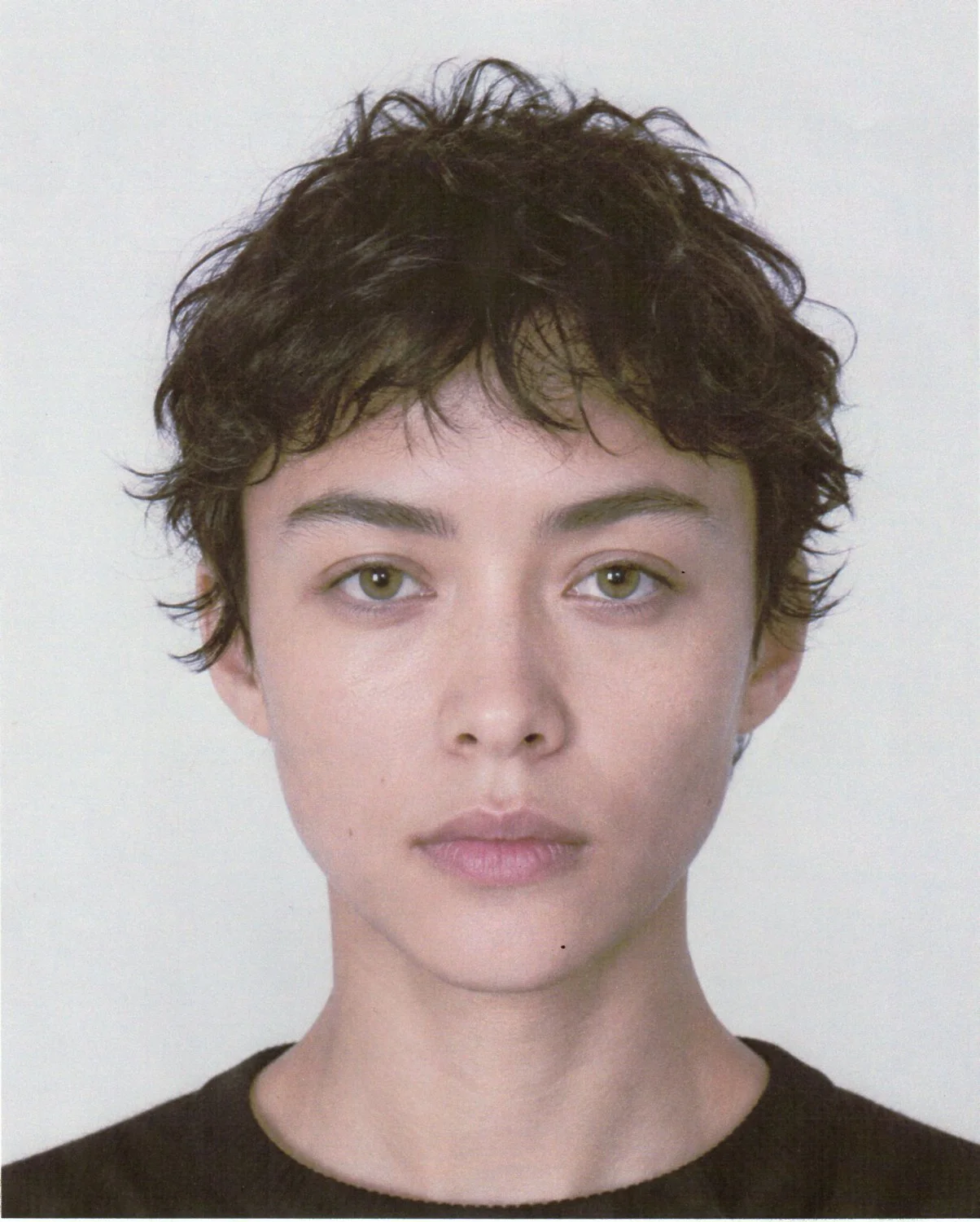 | Step 02 — 2 Oct., 21:48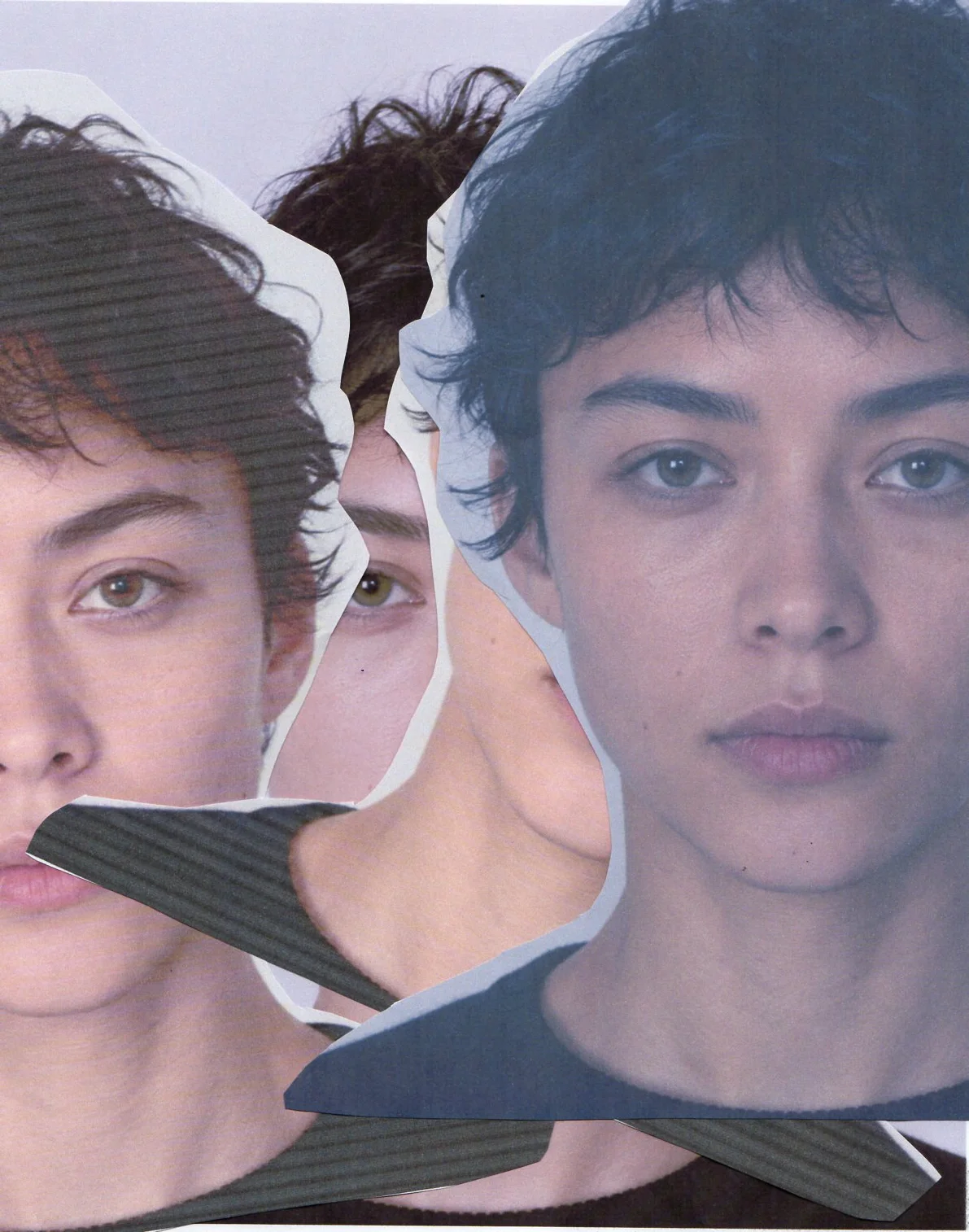 |
Step 03 — 2 Oct., 22:01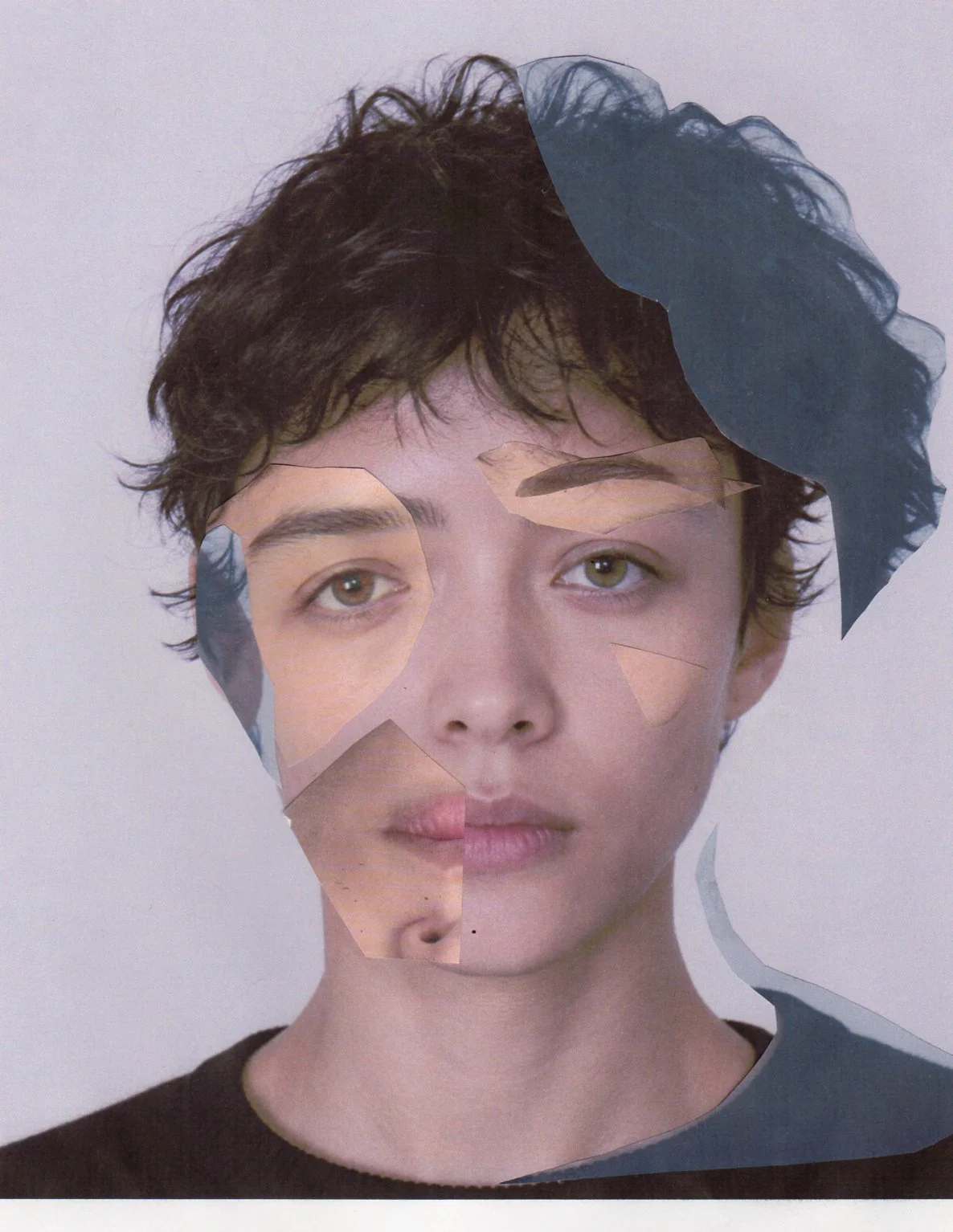 | Step 04 — 2 Oct., 22:22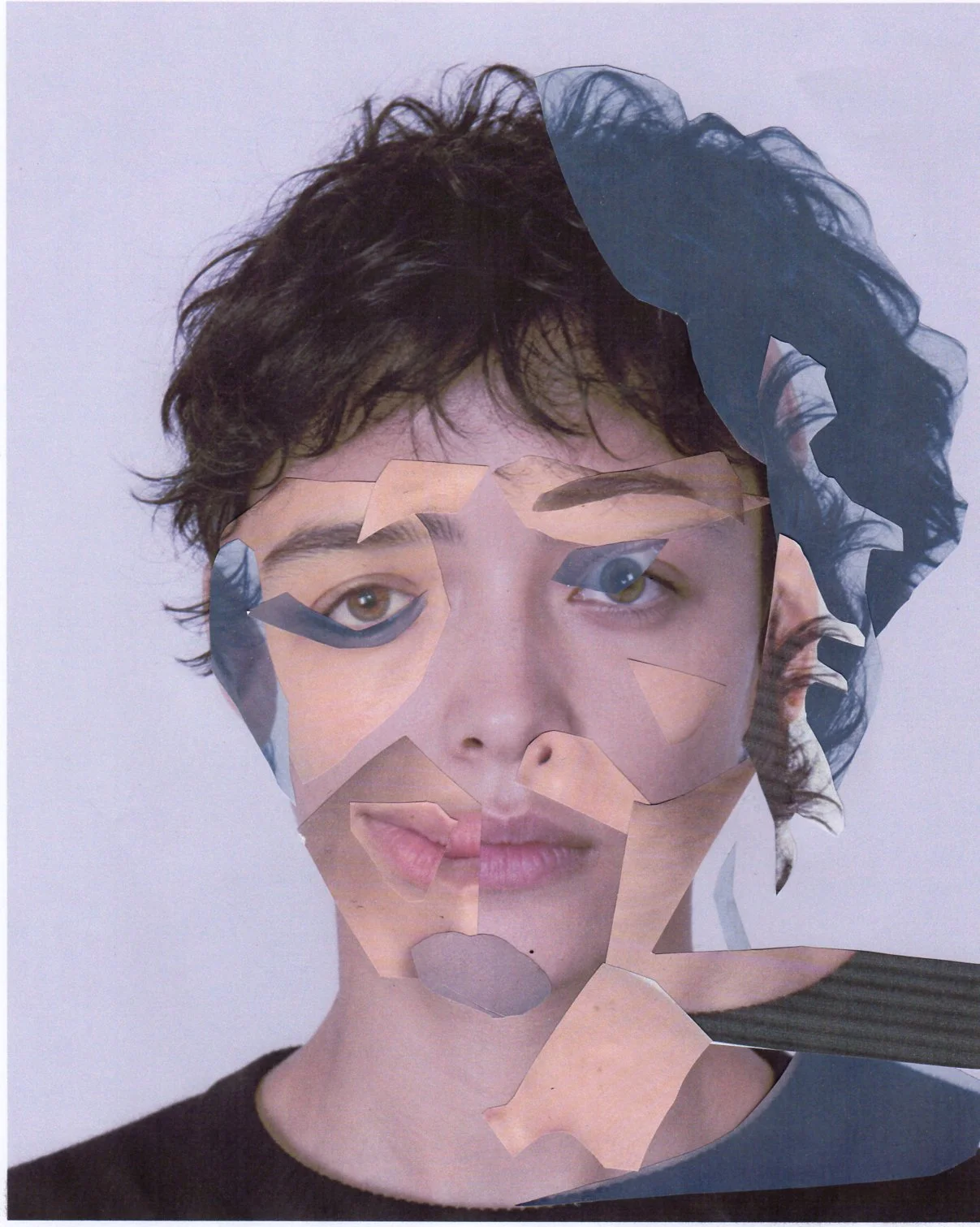 | Step 05 — 3 Oct., 15:01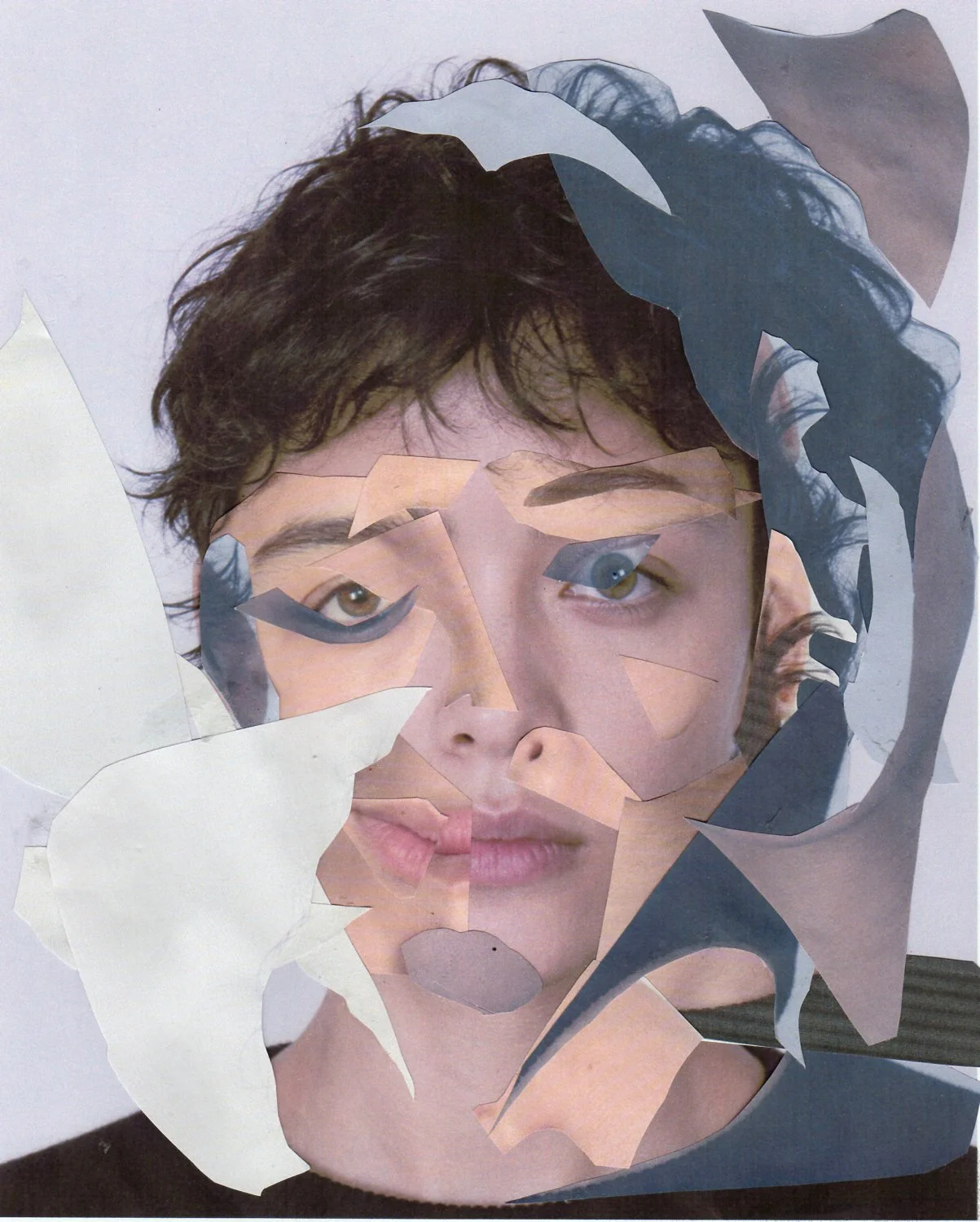 |
Step 06 — 4 Oct., 20:39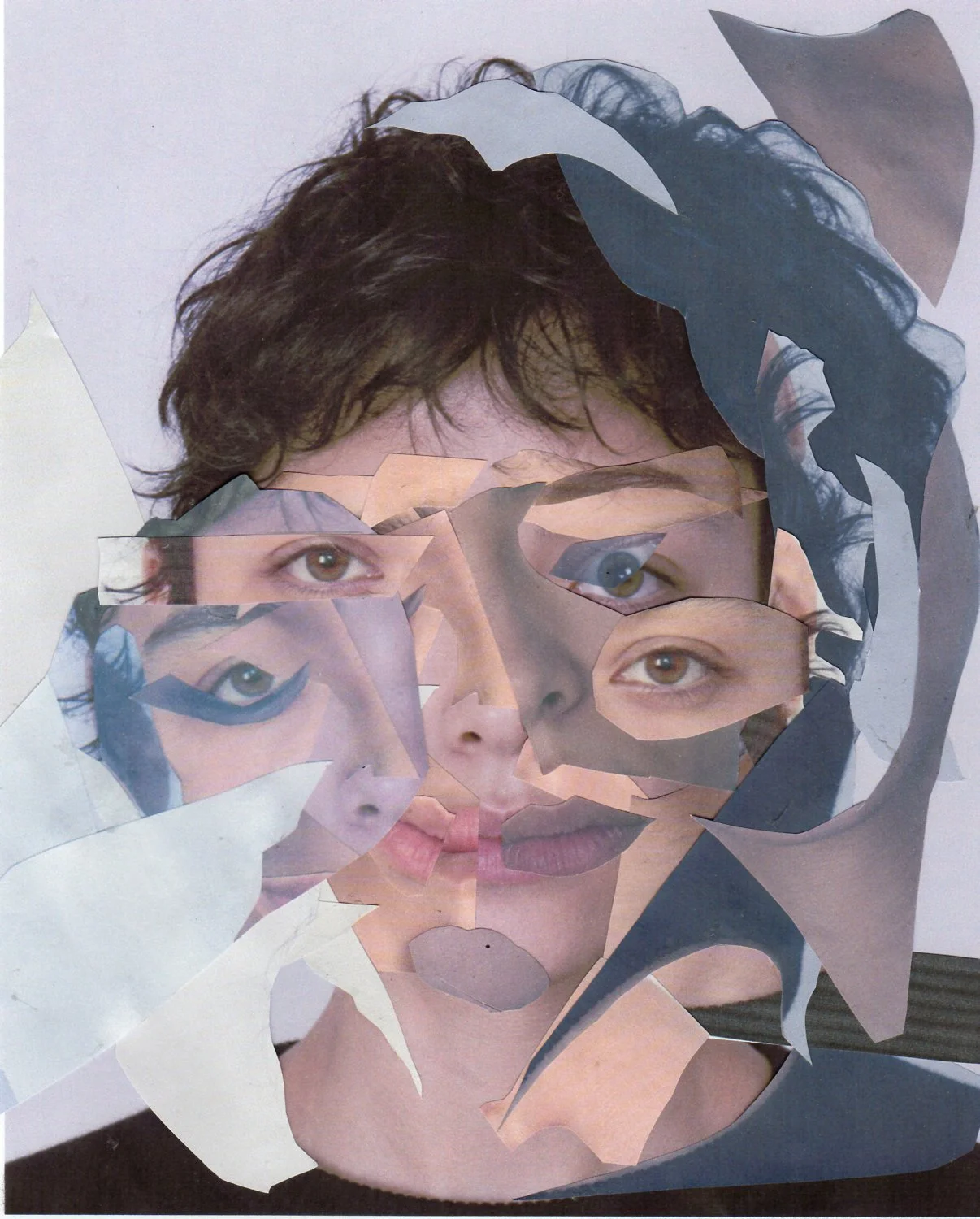 | Step 07 — 4 Oct., 21:17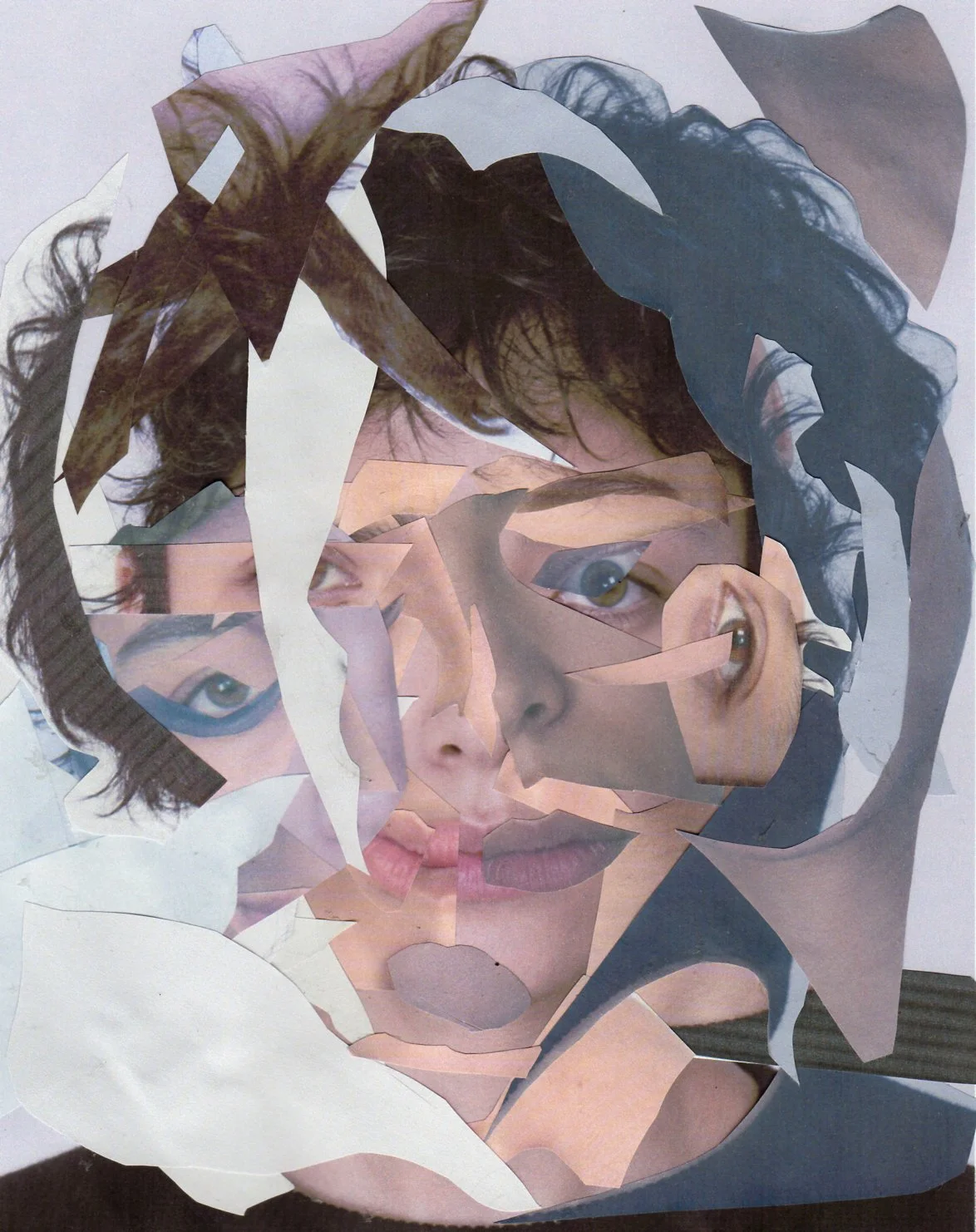 | Step 08 — 5 Oct., 17:42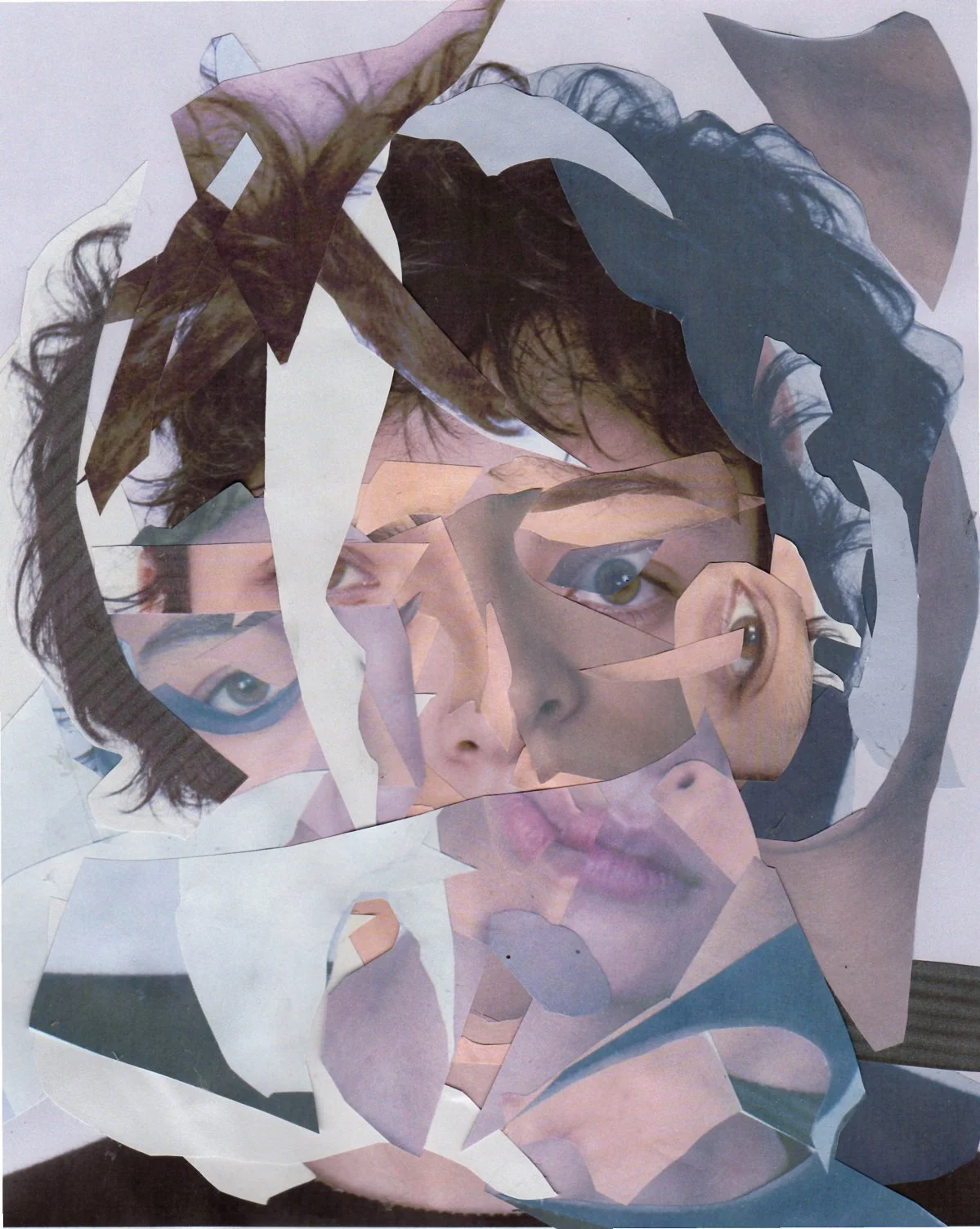 |
Step 09 — 5 Oct., 17:57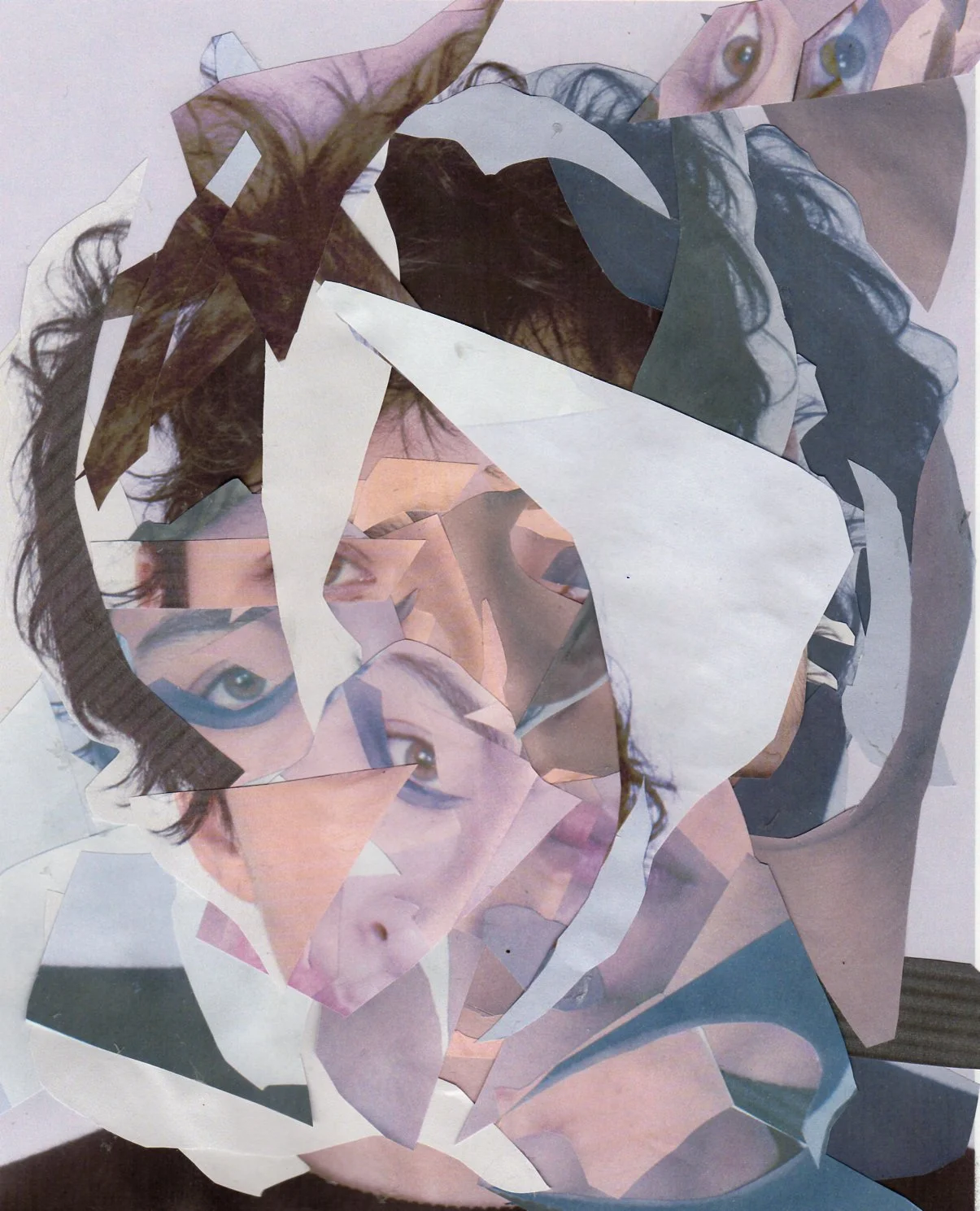 |
5. Visual selection
Crisis / threshold according to AI-assisted reading
In the records following the reference scan, the eyes, hair, and mouth remain recognizable, but their duplication and the edges of the paper prevent the portrait from being read as a single continuous face. Dark and light layers redistribute attention between features and background. This is a provisional reading of the sequence, not the selection of a crisis image.
Crisis / threshold according to my perception
Pending selection by Kurt. The experiment remains open.
6. Crisis and formal-perceptual reading
The operation affects form, contour, light, the figure/ground relationship, and recognition:
The face remains an anchor for recognition, while the cutouts introduce other scales and positions of the same face over it. An eye can extend or interrupt a gaze; a dark area of hair can become a compositional mass; the white of the paper can open a gap between planes. Physical edges and tonal differences between prints and scans make the construction of the collage visible.
Rescanning provisionally fixes a material layer and allows that layer to become printed matter again. The image is not altered through calculated displacements, but through successive decisions made in response to what is seen. It has not yet been determined which state reaches the intended crisis threshold.
7. Final evaluation and artistic reference
Operation notes / what I learned:
Kurt says that working manually in this way feels more comfortable and offers more pictorial possibilities than an algorithm that cuts, pastes, and changes the position of objects. He can decide where to place each fragment by attending to the contrasts and light in the developing composition. He also finds the process more enjoyable. This capacity to respond visually while making is central to the operation, not an adjustment made after the result.
Final status:
Works:: Pending
How it disrupts the image:
Works_on:: Configurative
Level and richness of crisis:
Crisis:: Pending
Decision:
Selection:: Pending
Possible artistic reference
Reference:: Pending
Possible works: Pending review.