OB_001 — Screen Photography
Status
Status:: Finished
1. Operation Data
Internal number: OB_001
Operational regime: Capture and Materialization
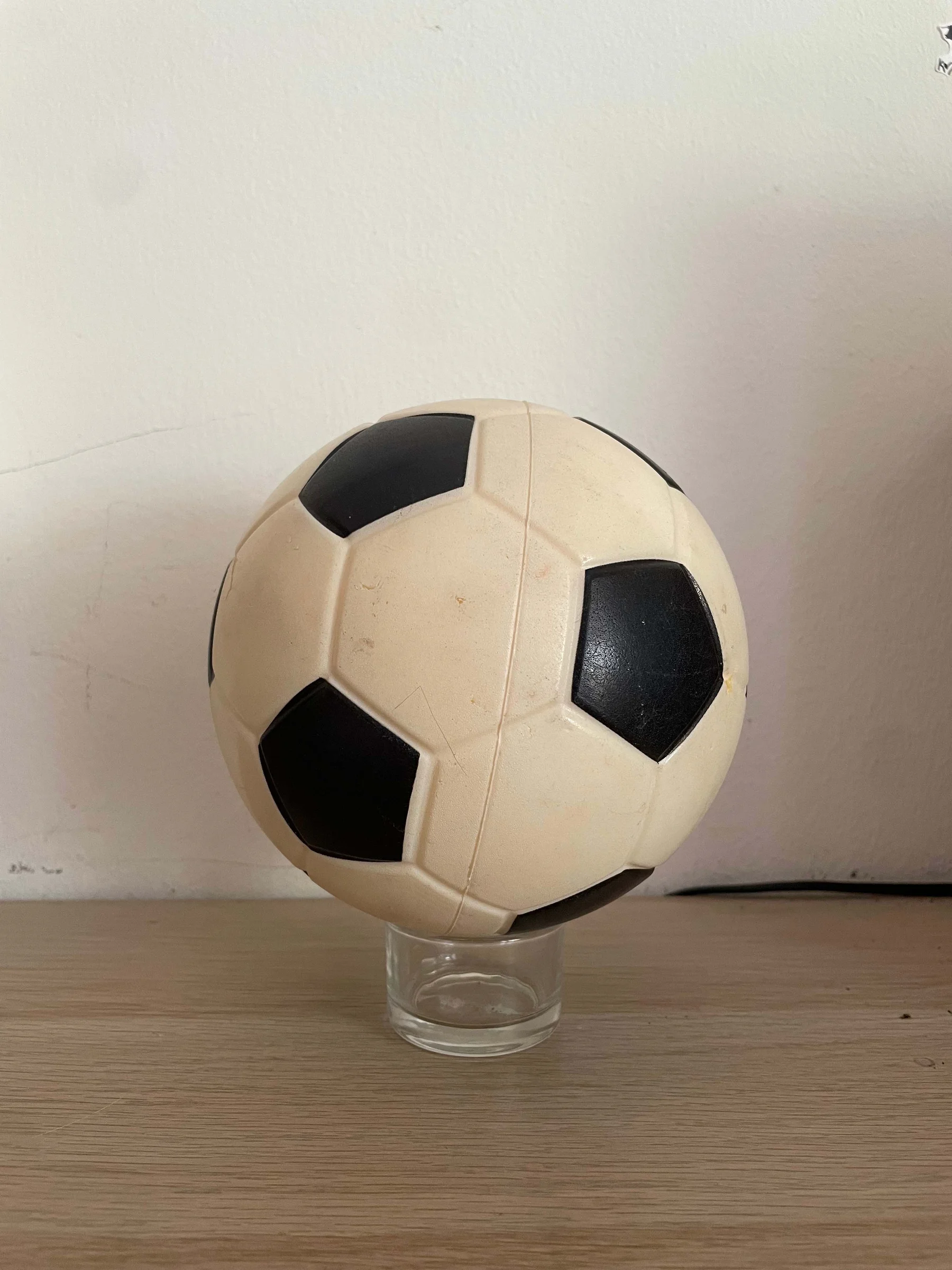
Source image: Photograph taken from life.
Operational description:
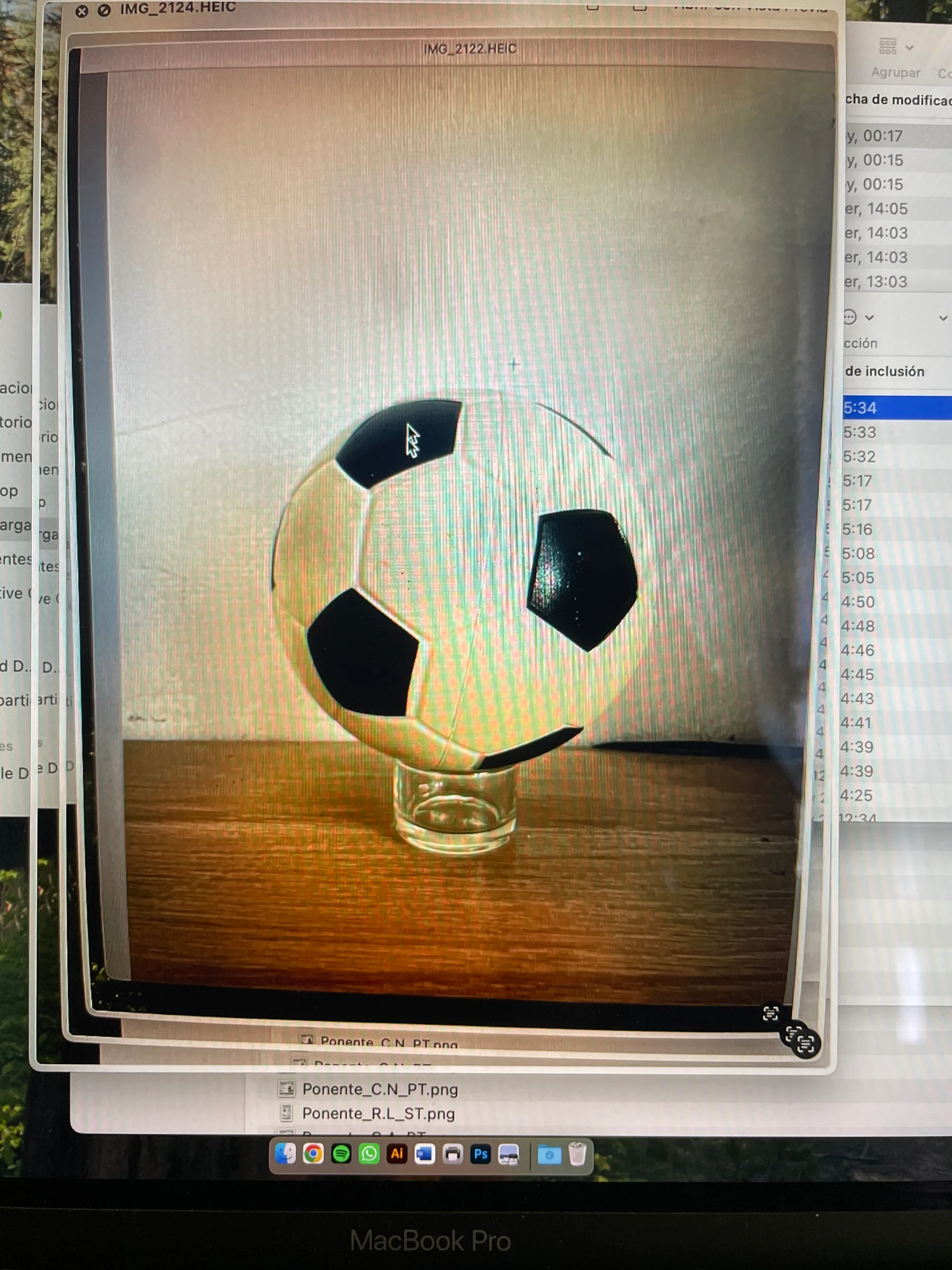
Recapturing an image from a computer screen, circulating the image between photography, screen, and new photography. The operation introduces optical mediation, loss of stability, visual noise, and chromatic alterations through successive recaptures.
Tools / medium:
- iPhone 12 rear camera
- MacBook Pro 2018 digital screen
- Screen photograph
Material note: every step of the process is kept in two formats, .HEIC (original iPhone camera) and .jpg (compatibility copy for viewing). This is a conservation decision, not an accidental duplication.
Technical procedure:
- Take a photograph of the natural object.
- Send the photograph to the MacBook.
- Open the image on the MacBook screen.
- Photograph the screen with the iPhone.
- Send that new photograph back to the MacBook.
- Open it on the screen again.
- Photograph the screen once more.
- Repeat the process several times until the image loses visual stability.
2. Variables
Controlled variables:
- distance between camera and screen
- capture angle
- perspective
- focus
- number of recaptures
- display size on screen
Uncontrolled / accidental variables:
- reflections
- light variations
- autofocus
- screen interference
- hand vibration
- unforced errors
- accidental appearance of the cursor / mouse
- minor framing variations
3. Visual Process
Initial image
Step 04
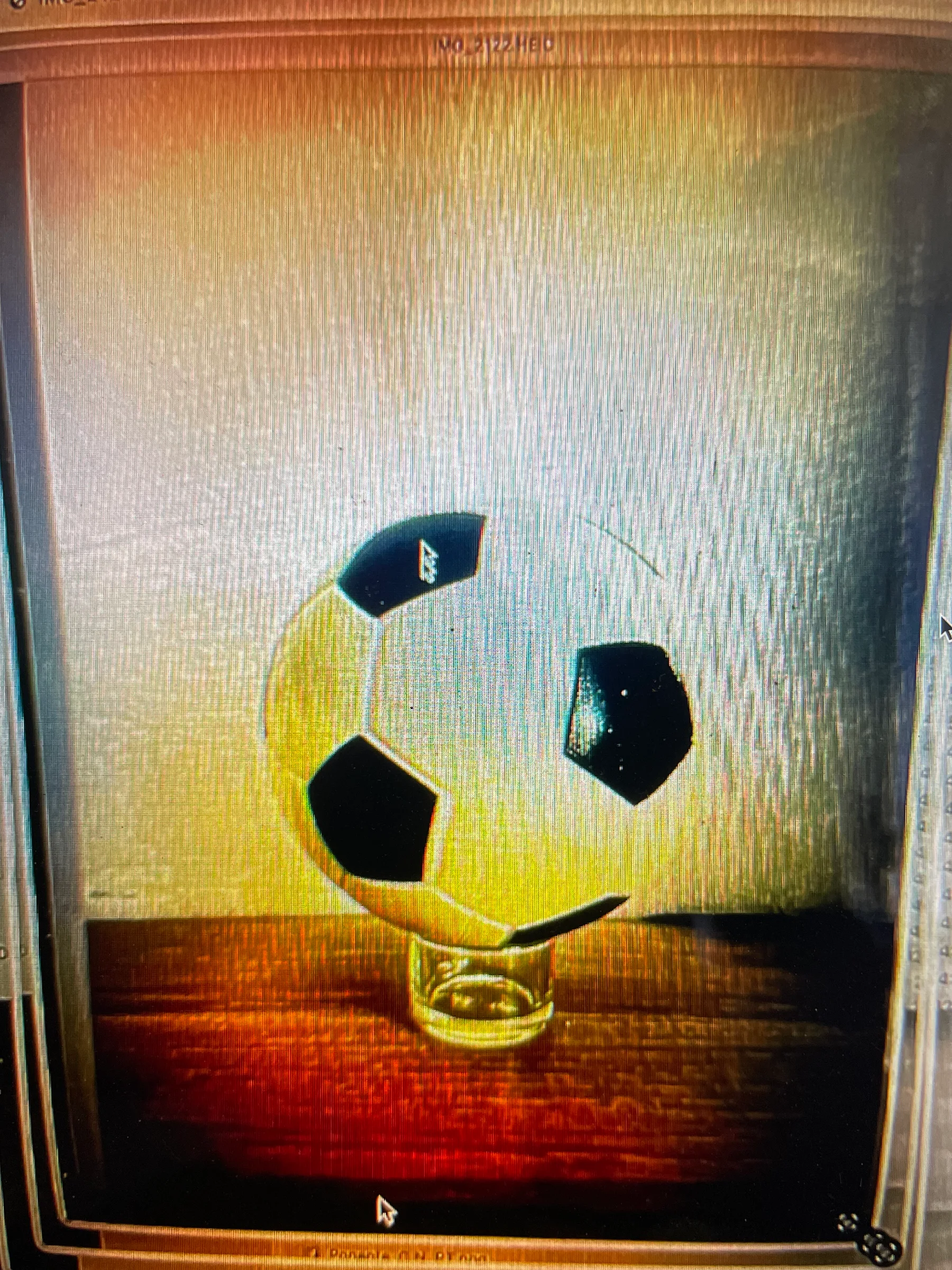
Step 09
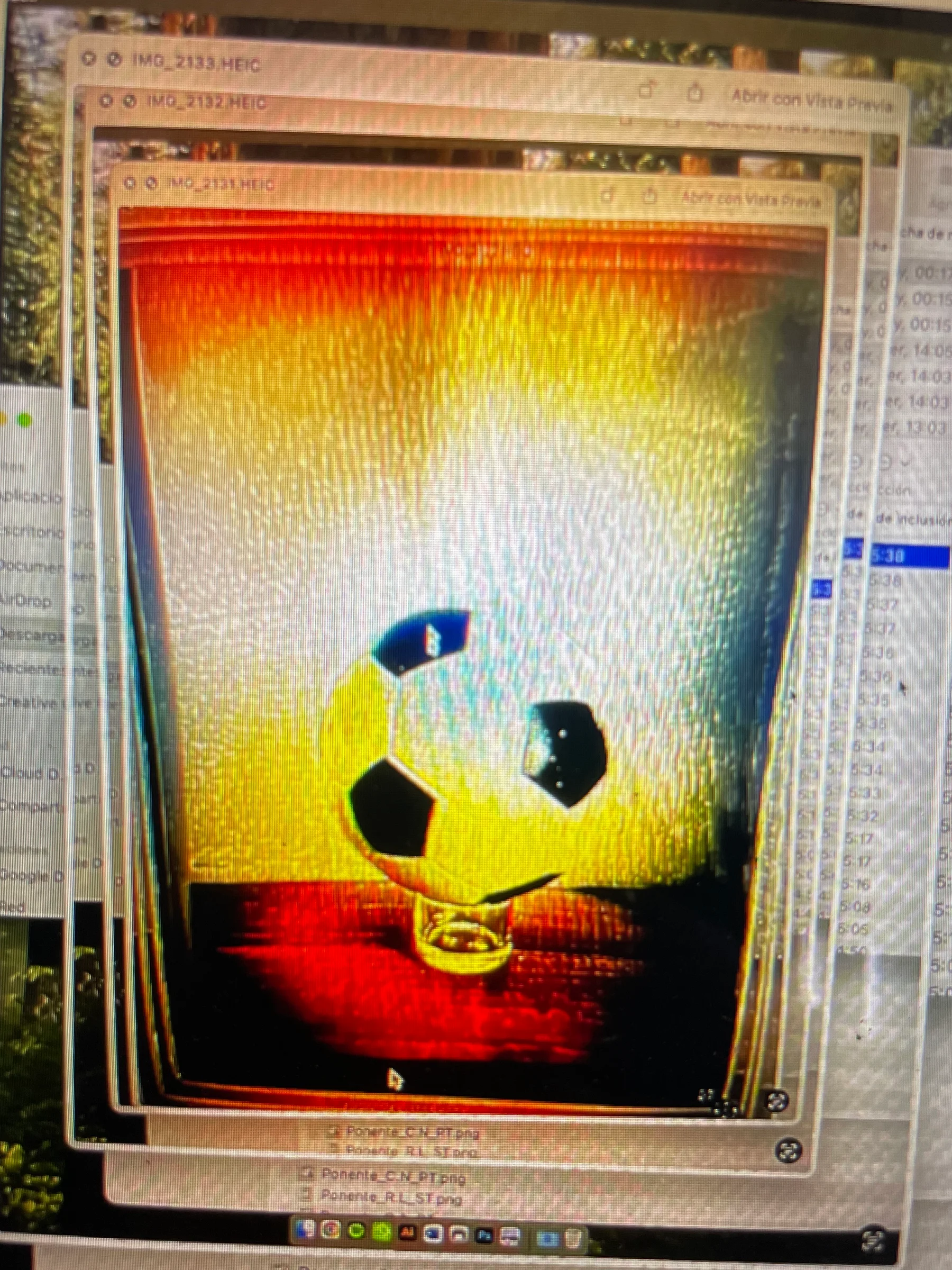
Step 14
Step 19
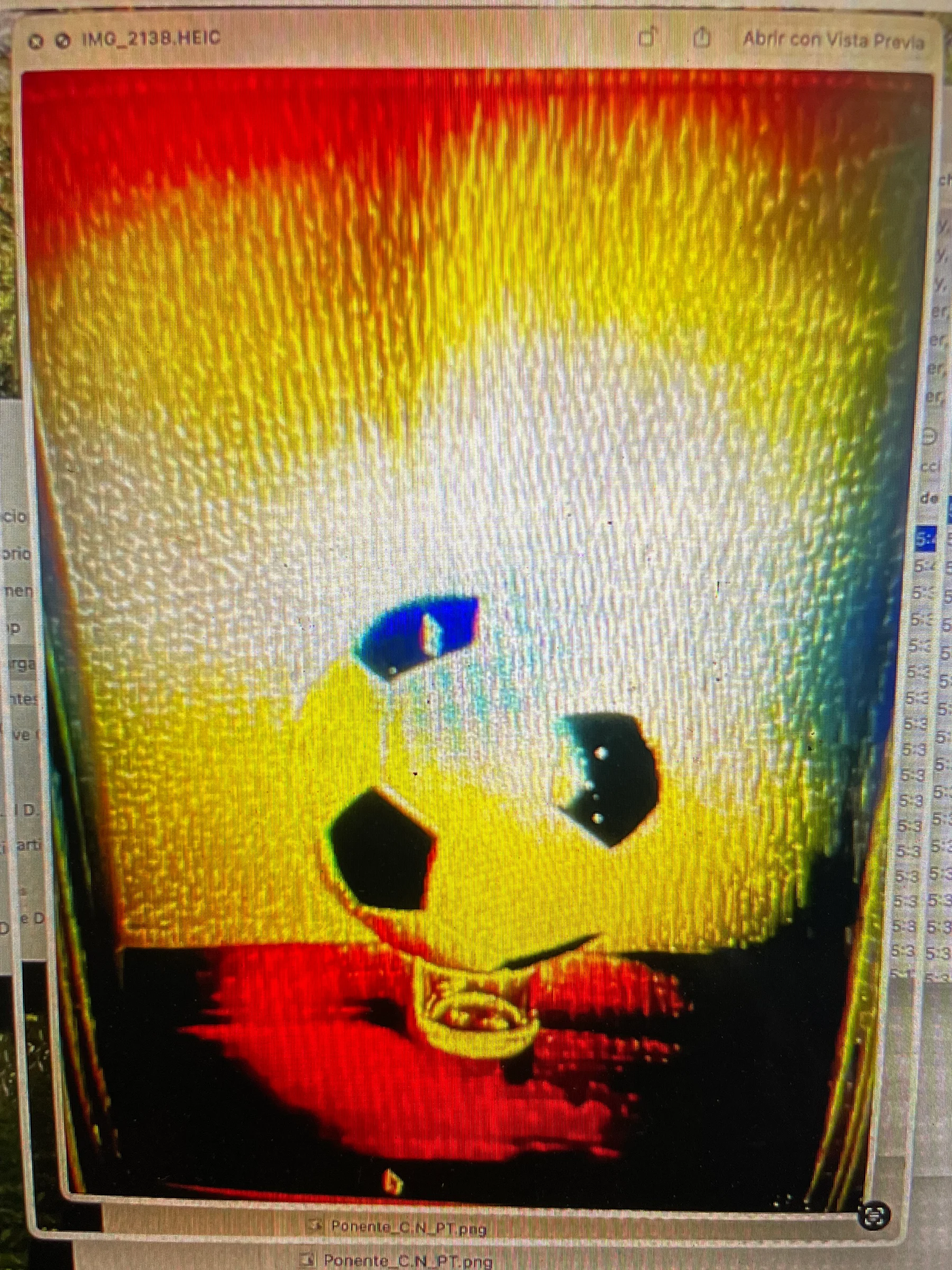
Step 24
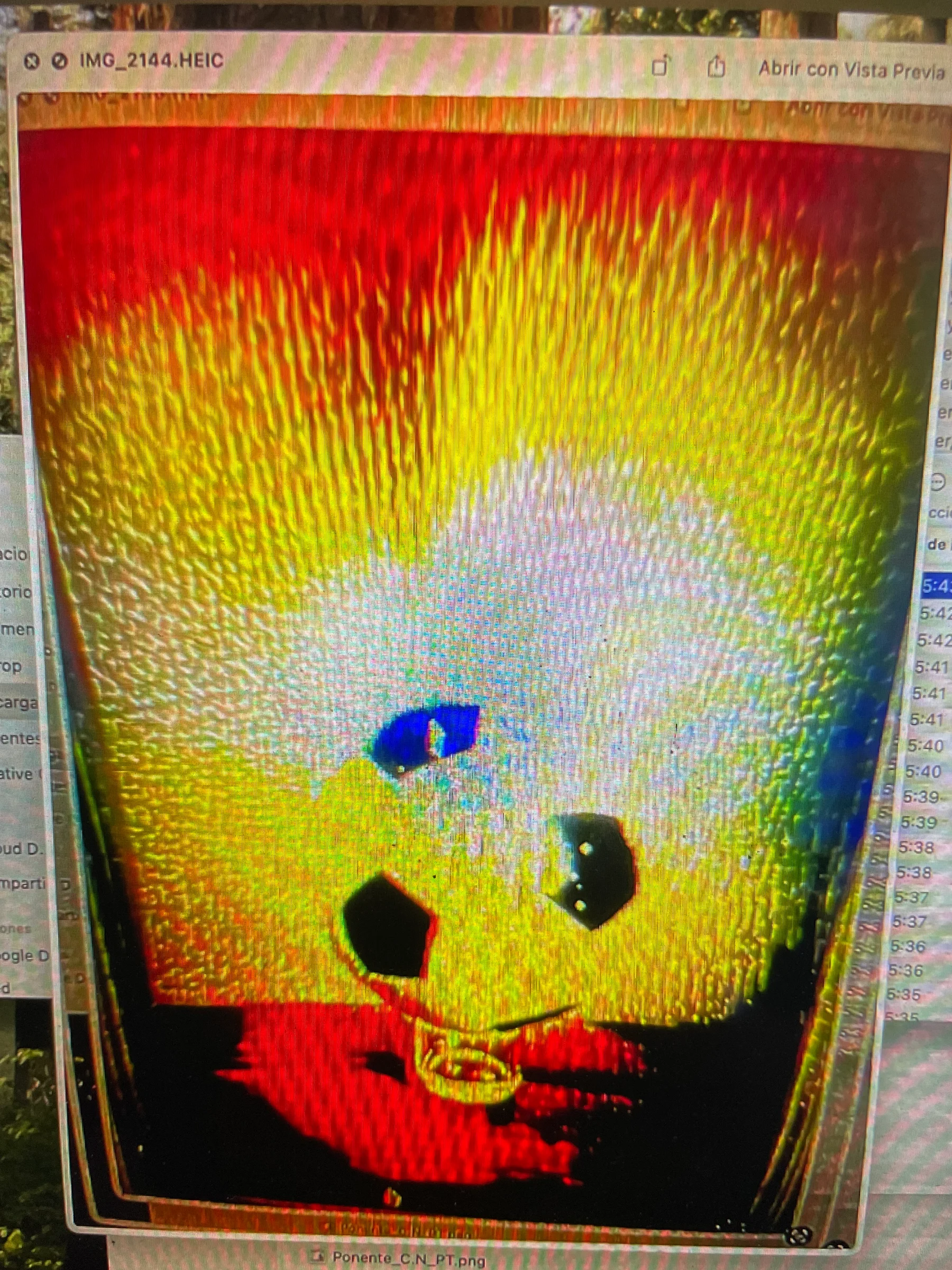
Step 29
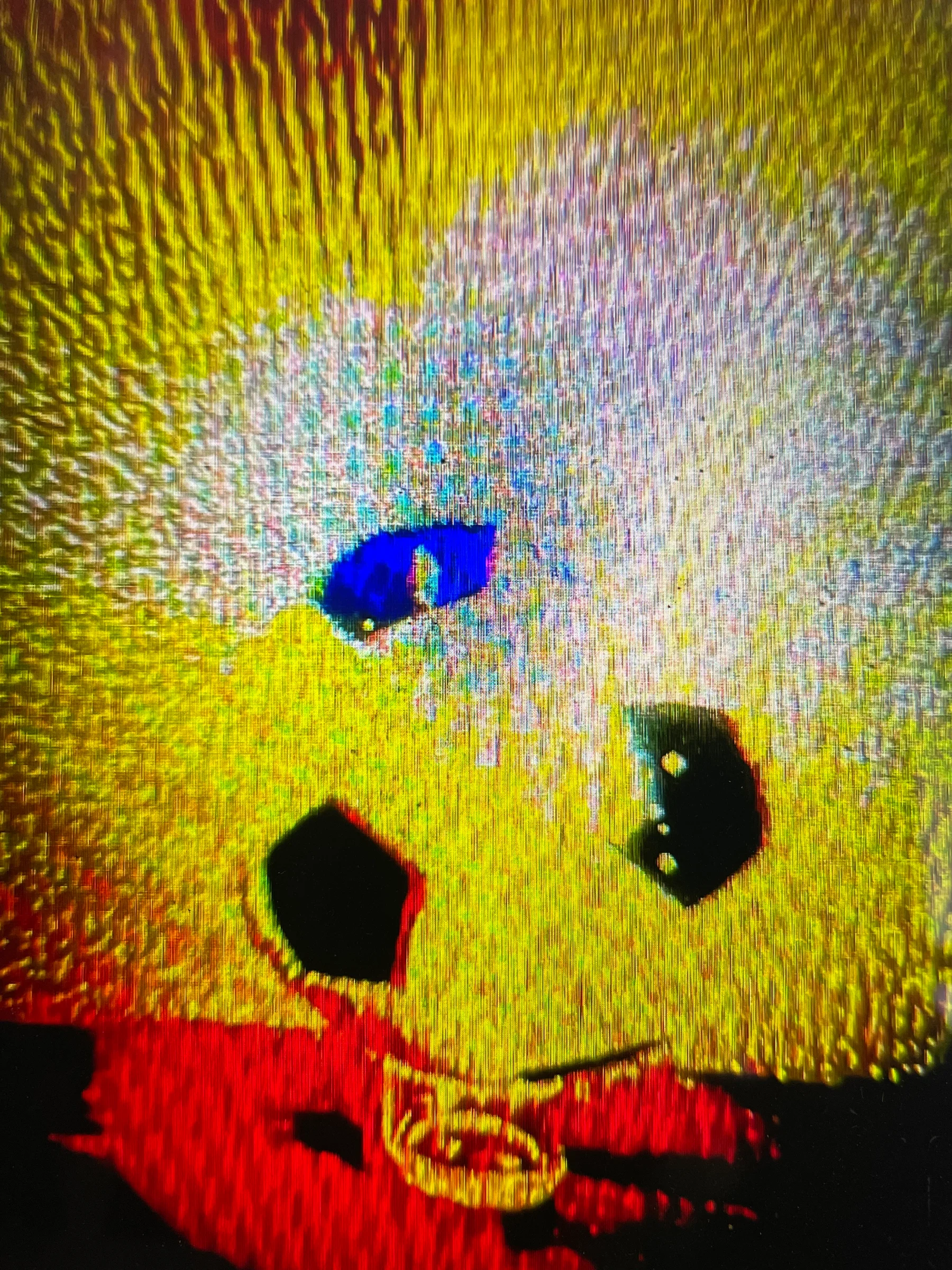
Step 34
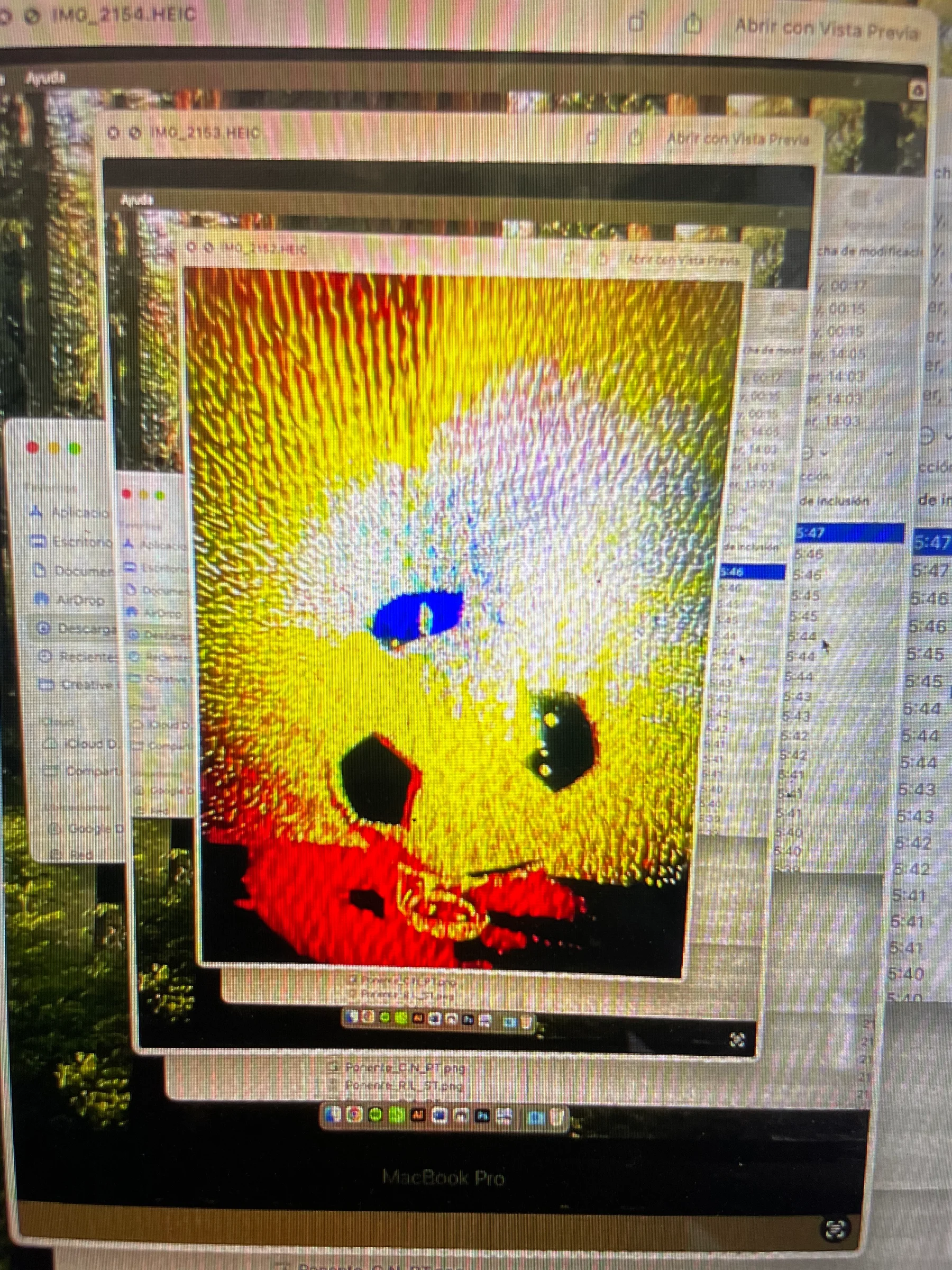
Step 39
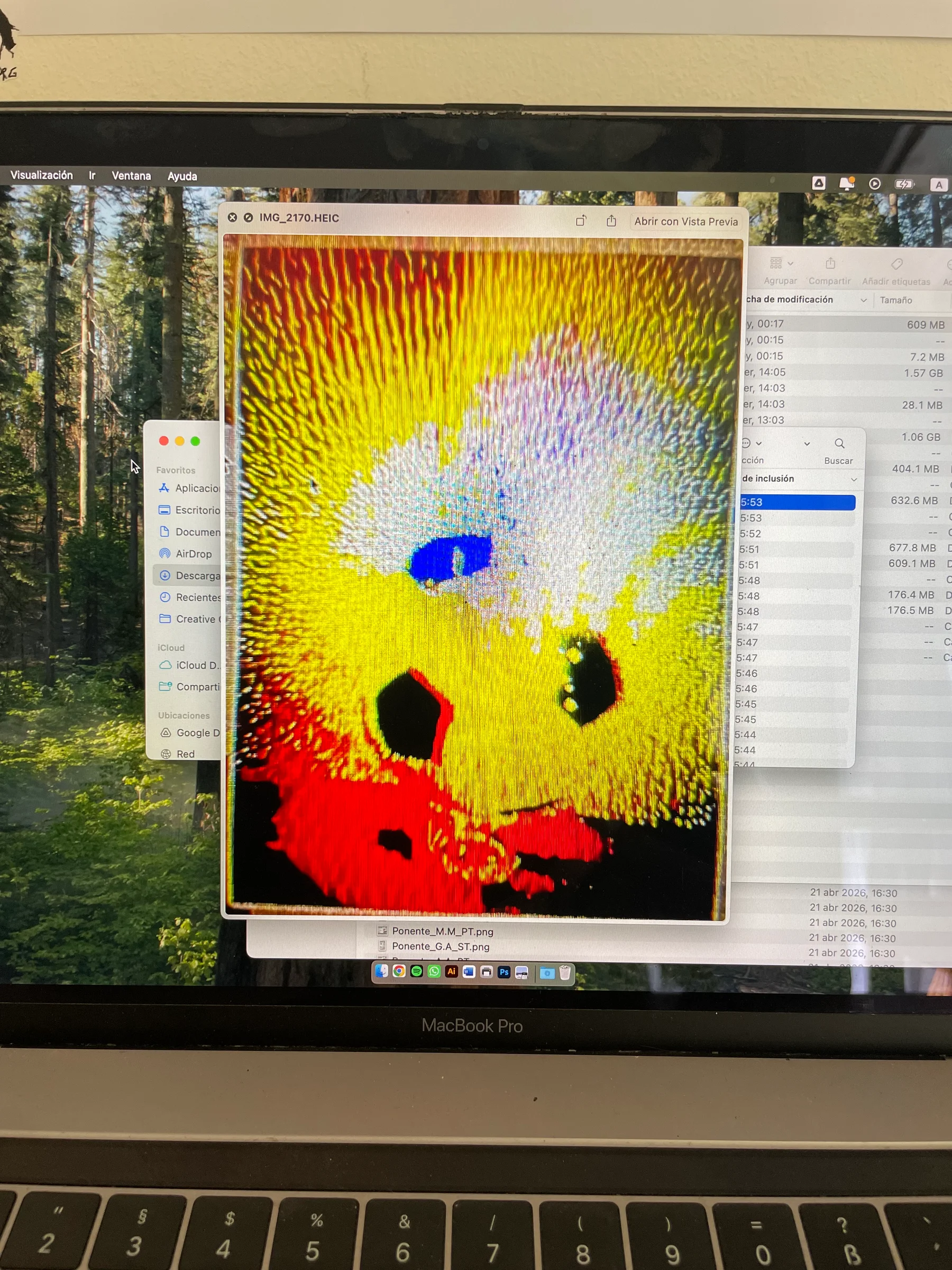
Step 44
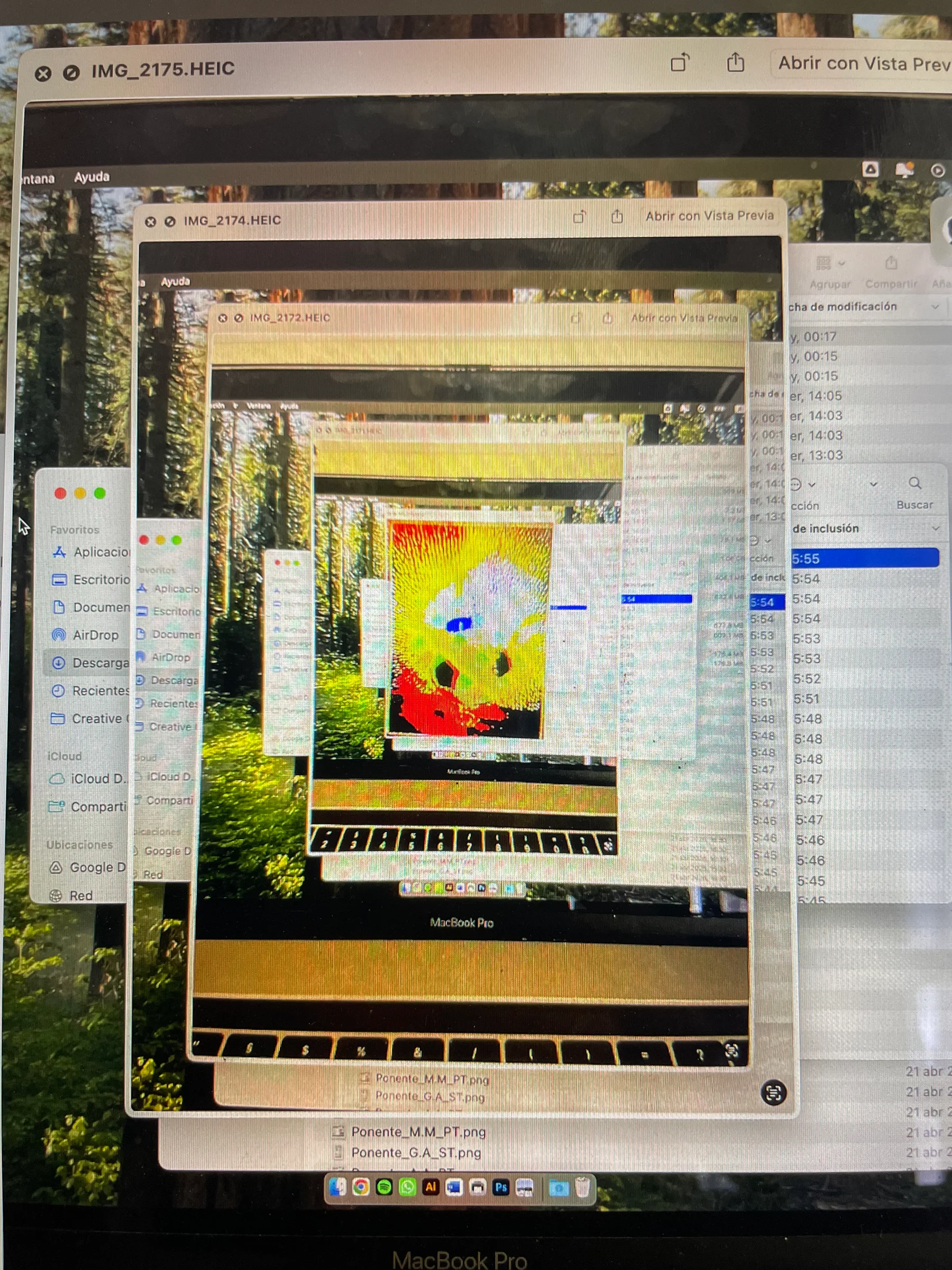
Step 49
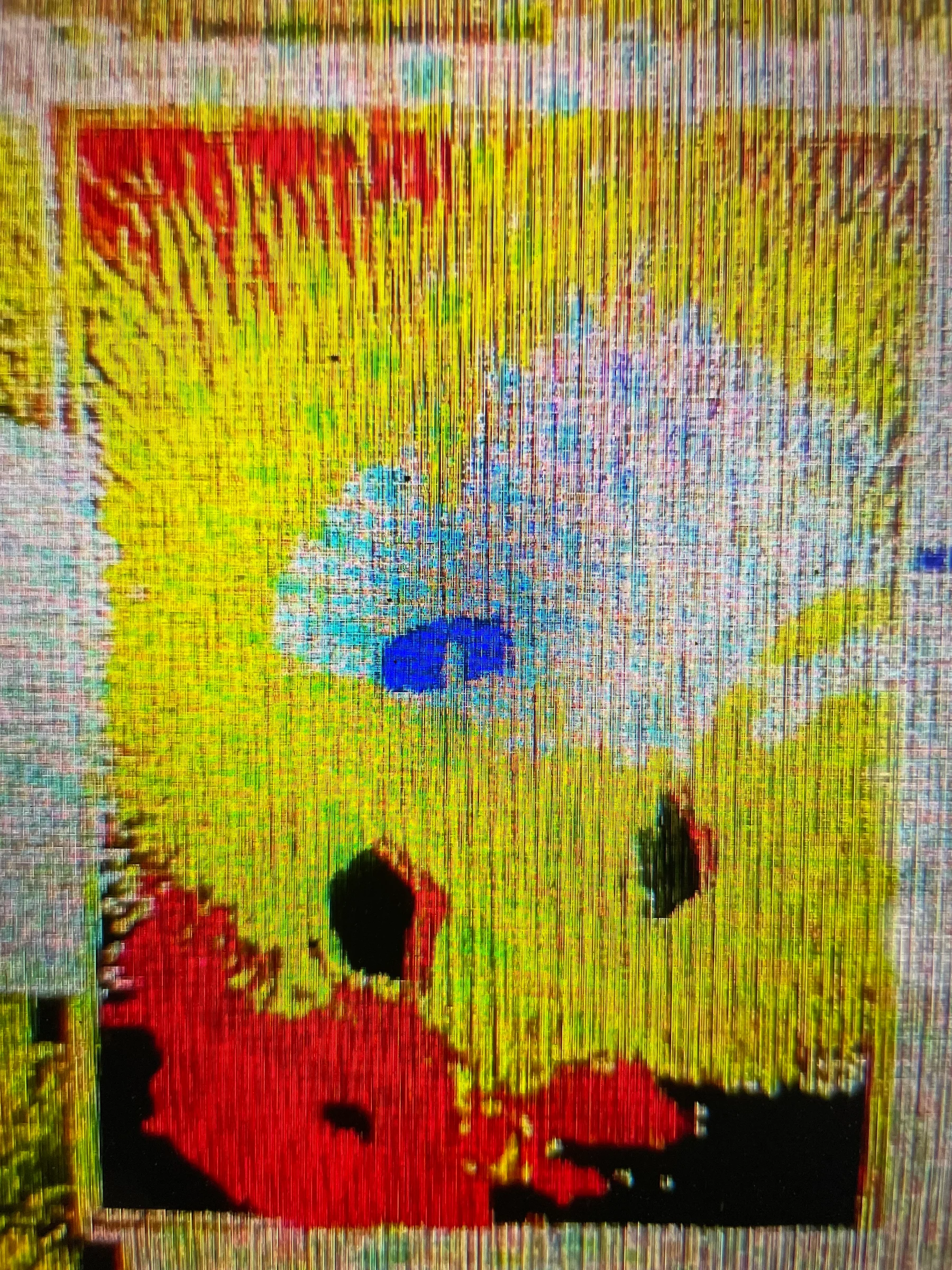
Step 54
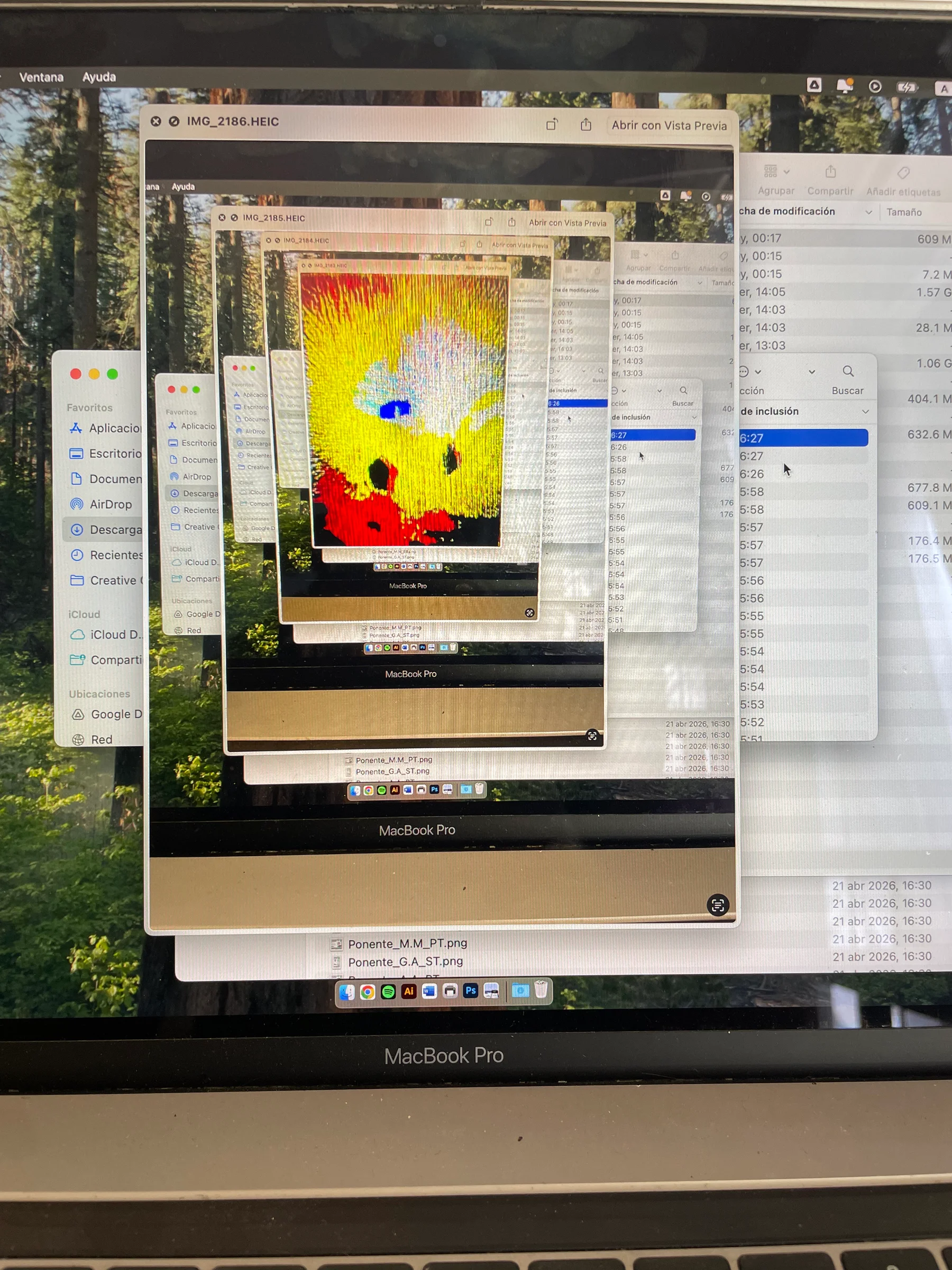
Step 59
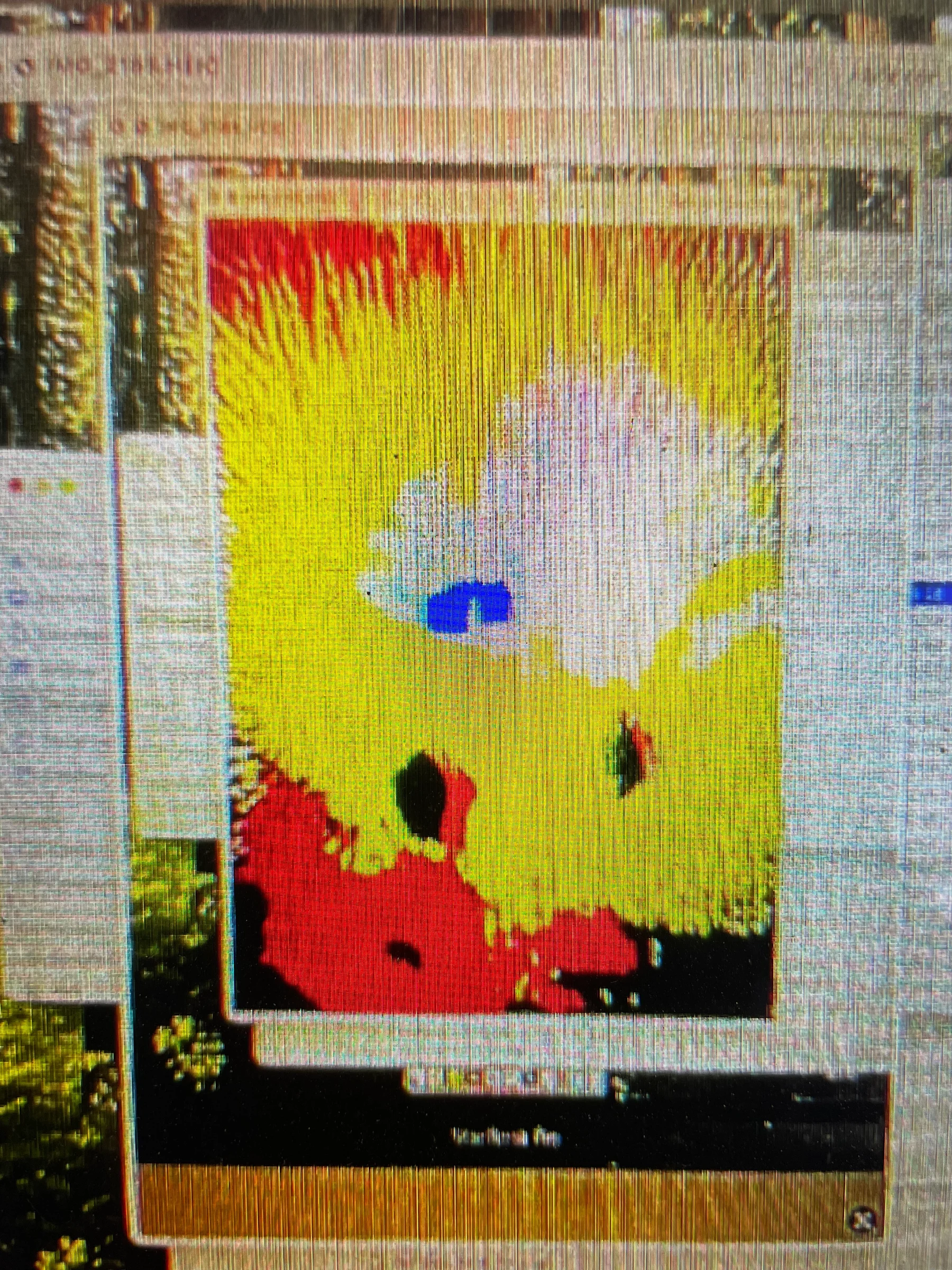
Step 64
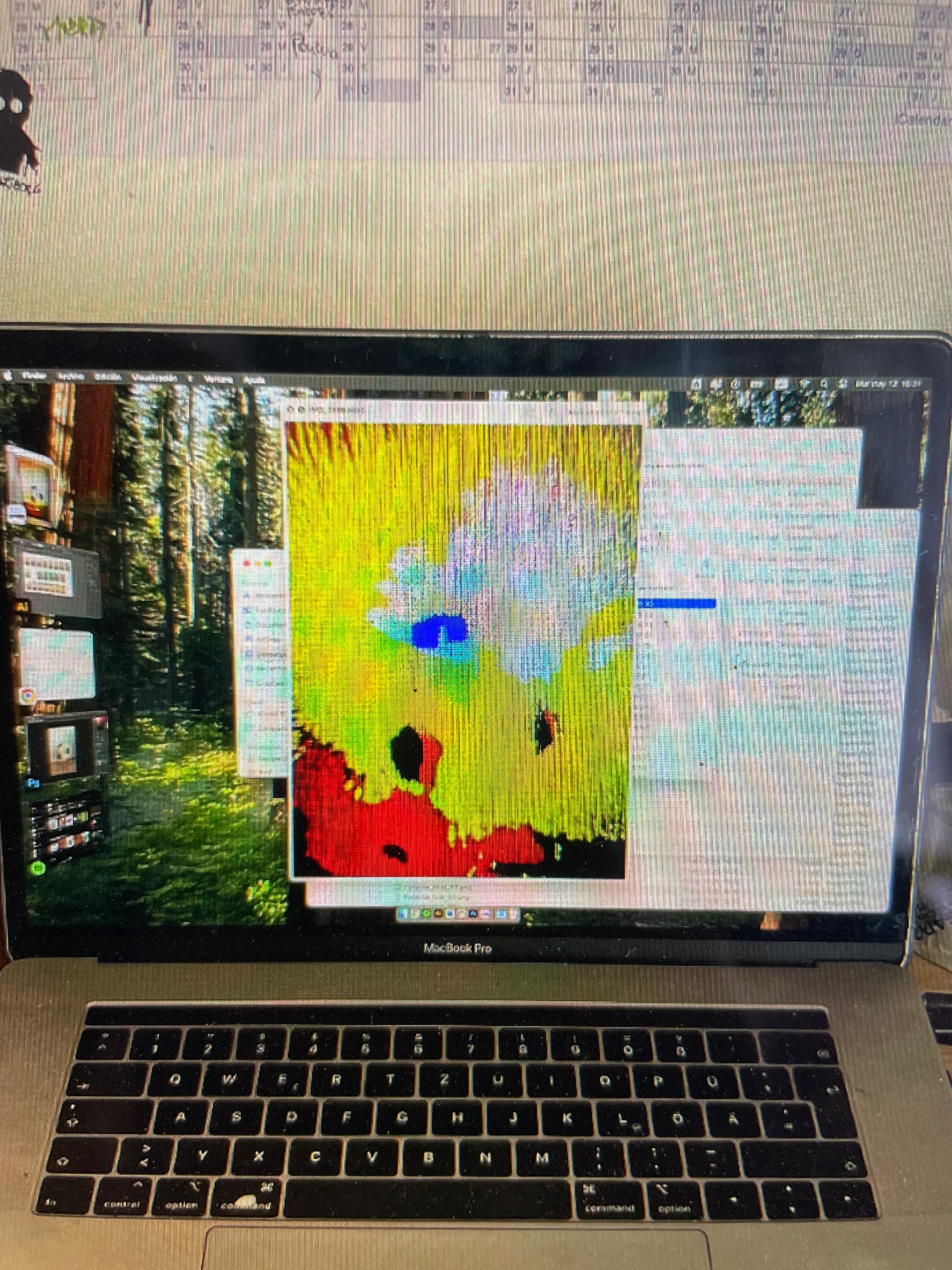
Step 69
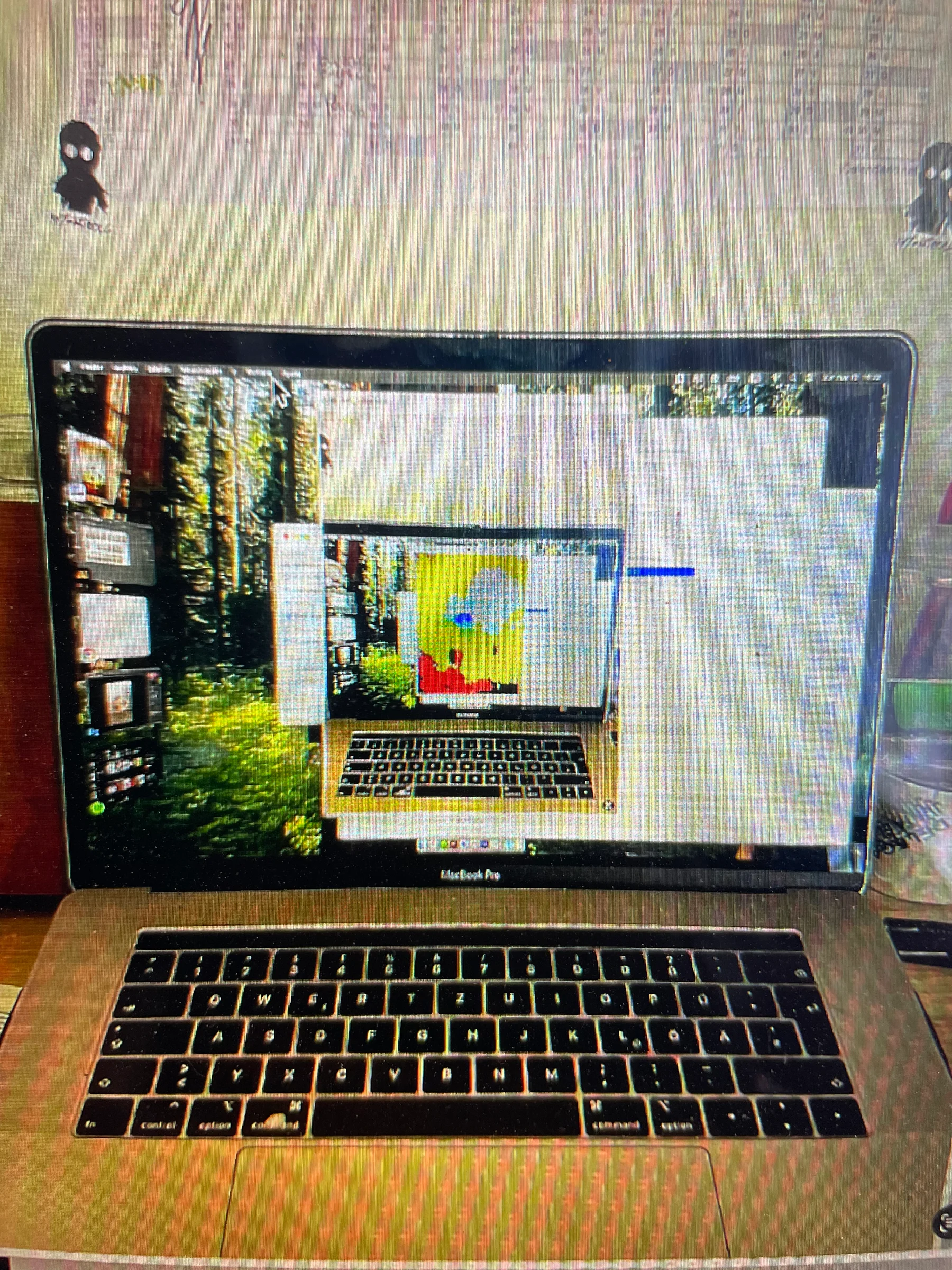
Step 73
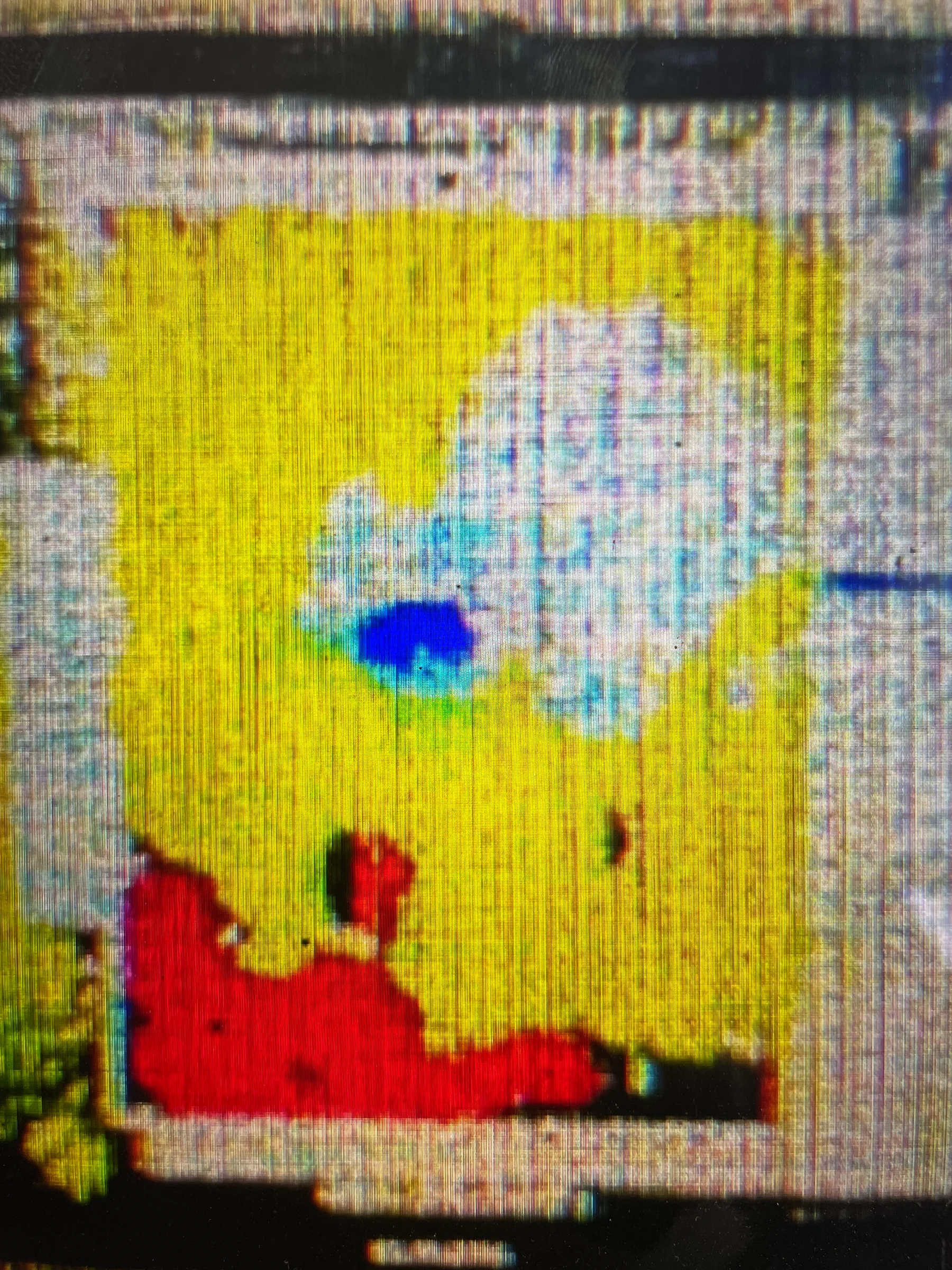
4. Visual Selection
Crisis/Threshold according to AI-assisted reading / ChatGPT
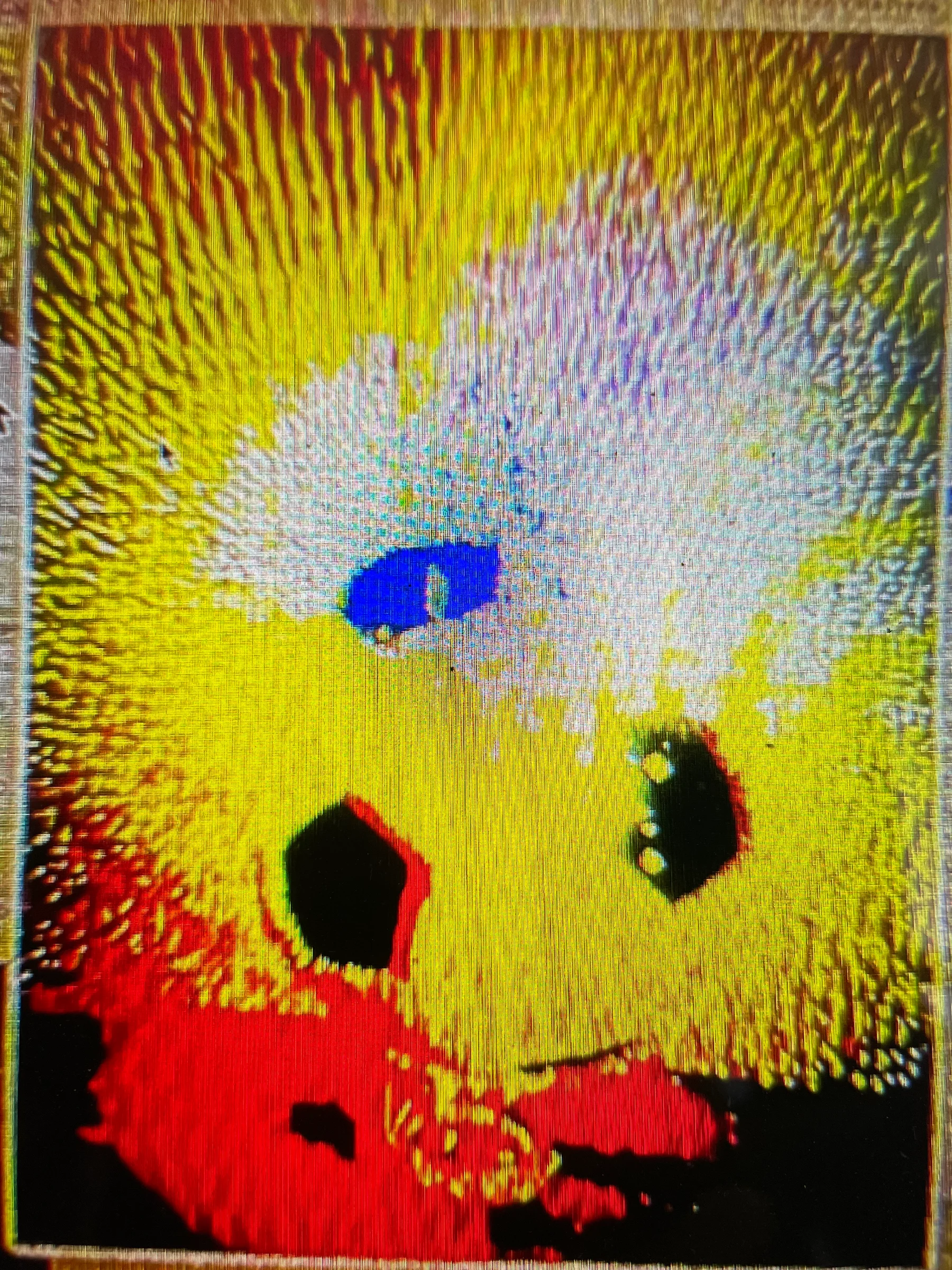
Crisis/Threshold according to my perception
Excess/Rupture
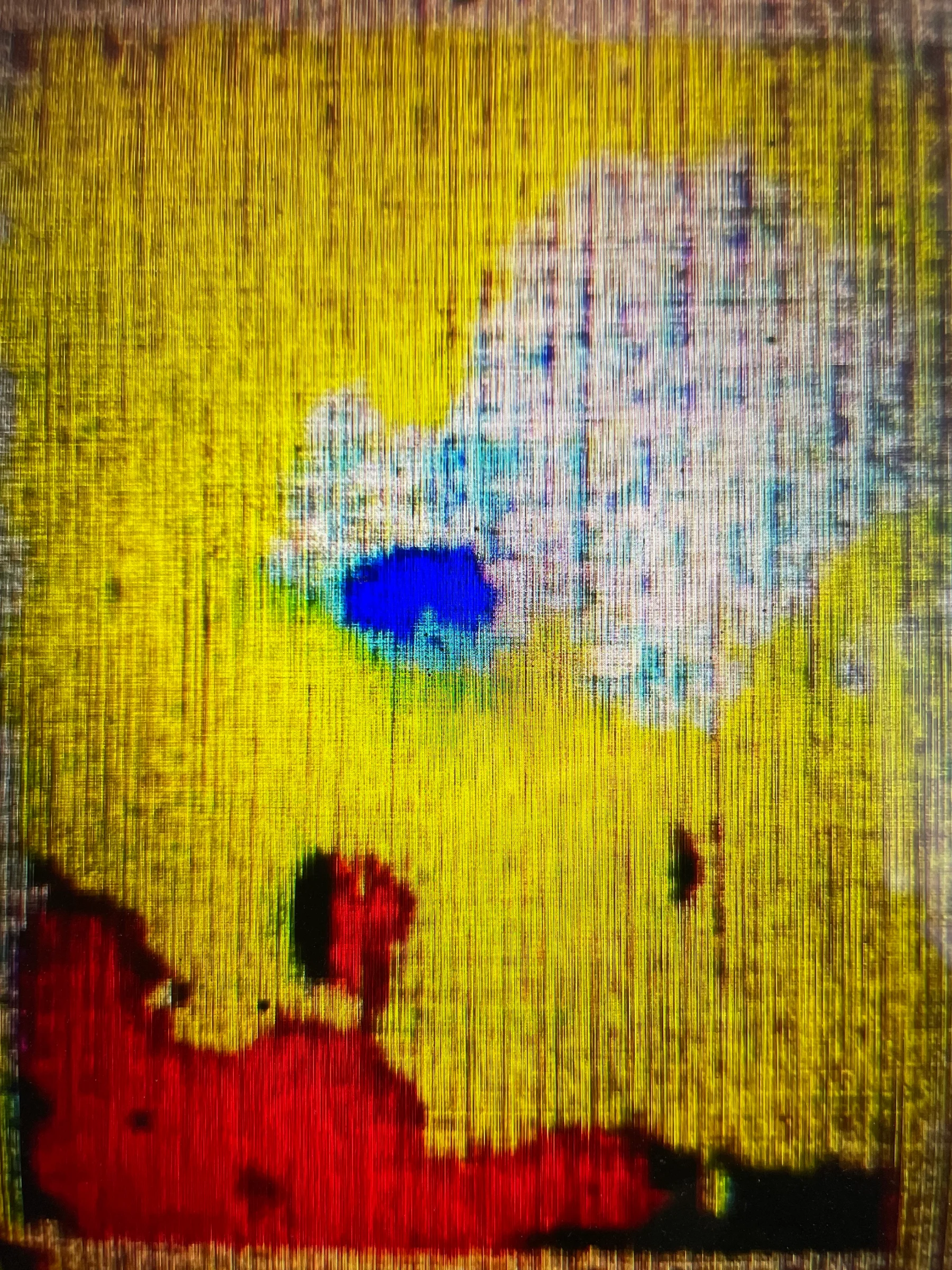
5. Crisis and Formal-Perceptual Reading
Main crisis: technical crisis.
The operation affects the visual grammar of the image: it weakens form, contour, color, and the figure/background relationship through recapture between screen and camera.
The ball retains recognizable traces most of the time, the contrasts between black and white are maintained, but its edges become unstable and begin to blend into the background. Color loses its descriptive function and appears as technical interference. Everything turns a warm color and RGB colors appear, such as green, inherent to the screen. The image enters crisis when it can still be reconstructed as a ball, but is no longer read in a stable way. The screen, the camera, the autofocus, reflections, and unforced errors act upon the image and become a visible part of the process. The gaze oscillates between recognizing the object and losing it in noise, blotch, and interference. Texture and moiré.
6. Final Evaluation and Artistic Reference
Does this operation truly put the image in crisis or does it function merely as an aesthetic effect?
YES
Operation notes / what I learned:
It is a long operation; many photographs are needed for it to begin to become unstable. So far, it is one of the operations that yields the most constitutive potential and the one that best integrates new forms or elements into the image that were not there before.
Final_status:
Works:: YES
How it destroys the image:
Works_on:: Formal
Level and Richness of crisis:
Crisis:: High
Decision:
Selection:: Combinable / Save
Possible artistic reference
Reference:: Jacqueline Humphries, Liz Deschenes, Christiane Baumgartner
Possible works: